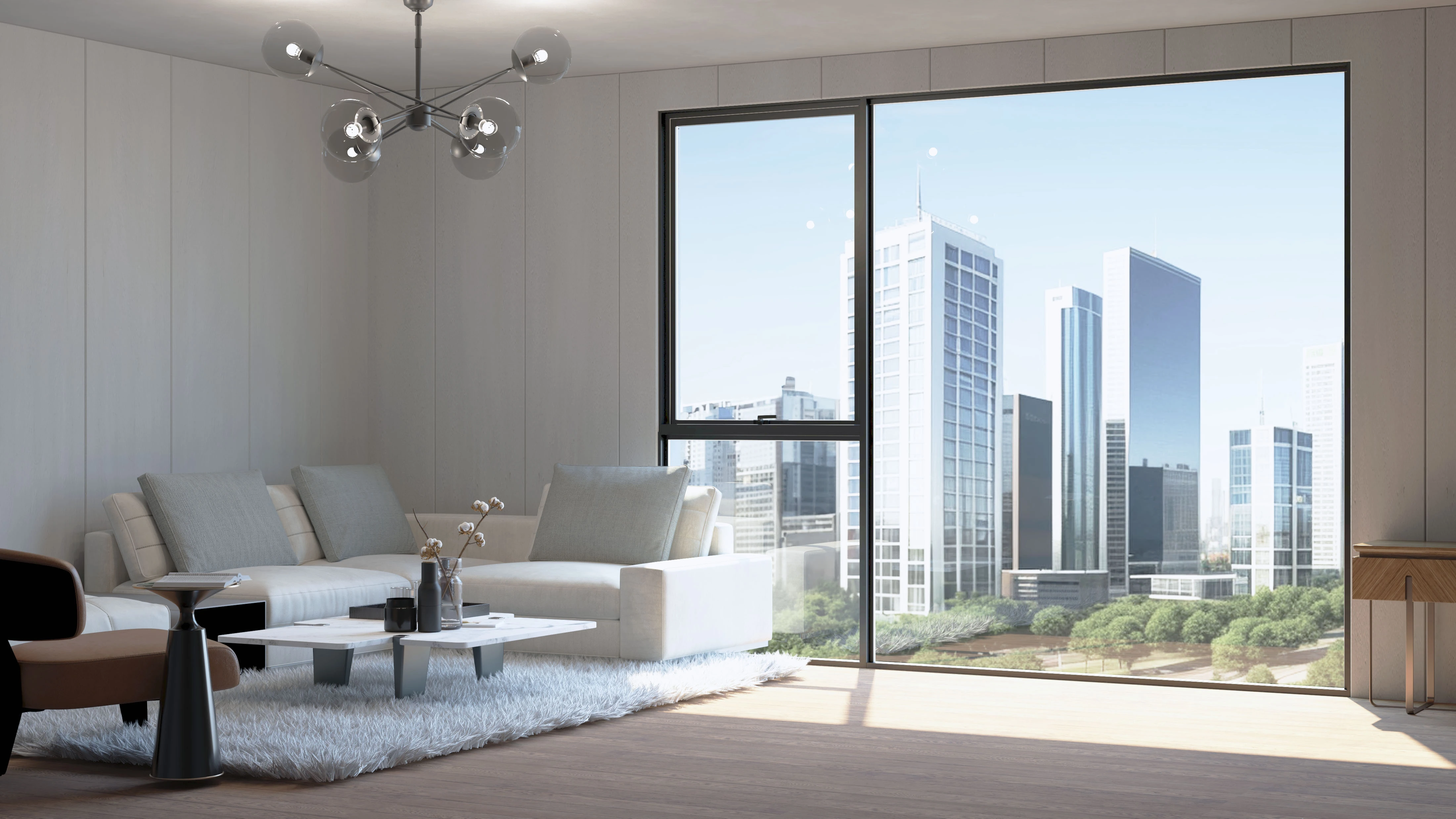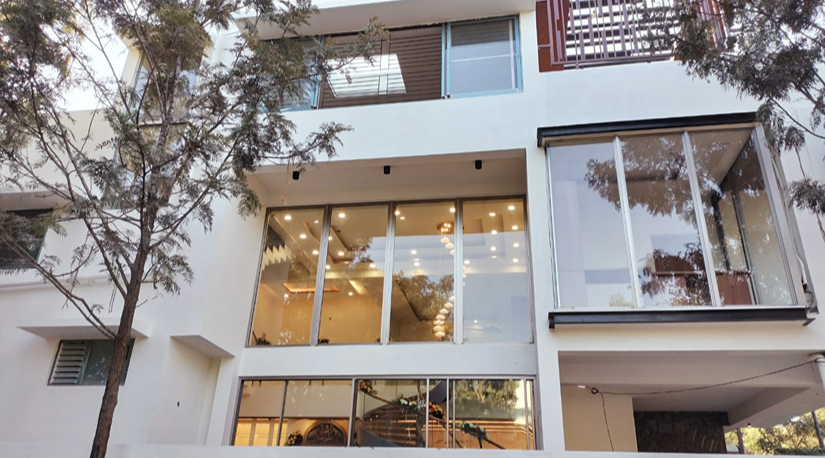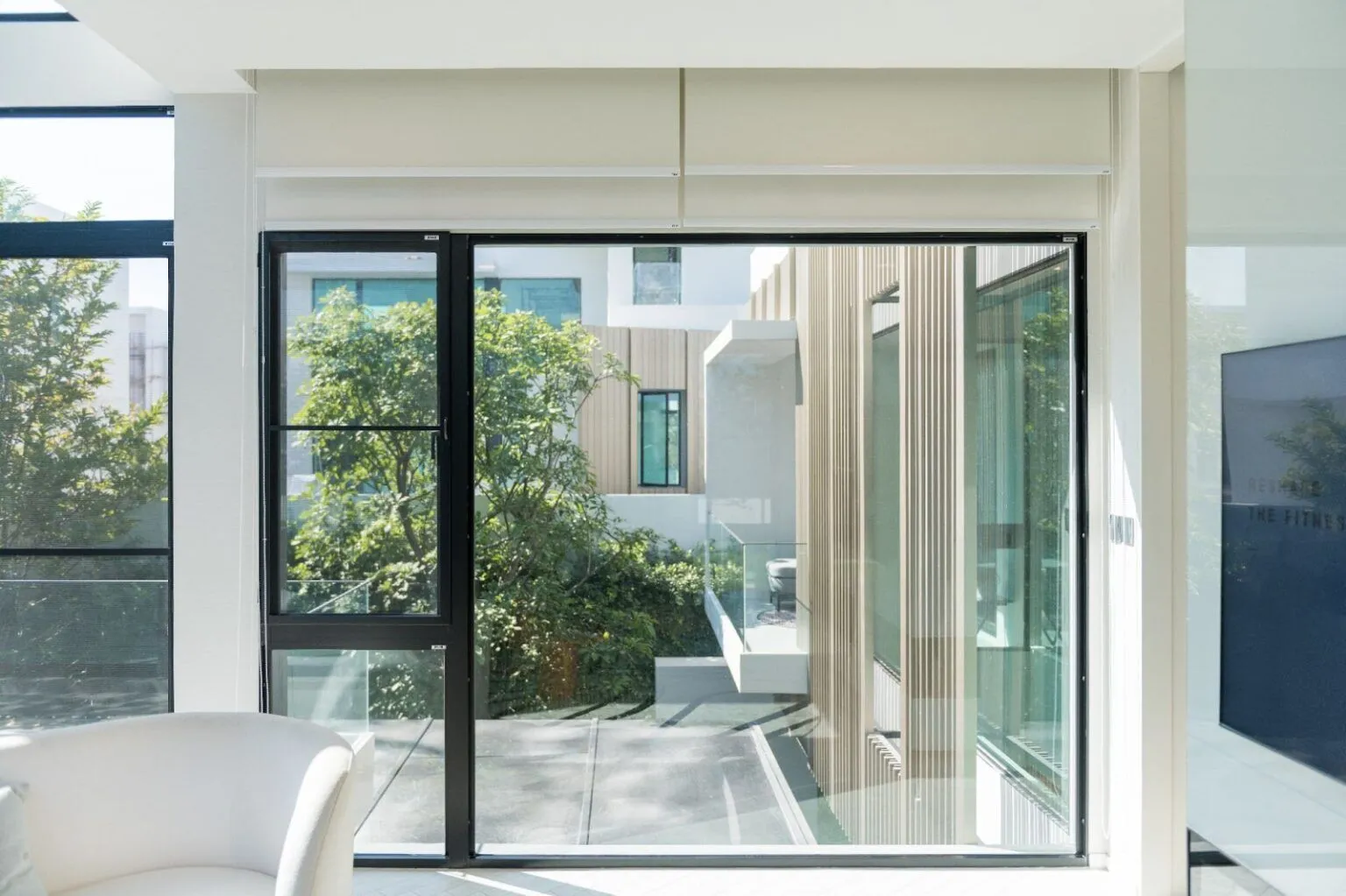
Windows play a defining role in shaping ventilation, insulation, security, and visual appeal within the housing industry. Among the various window configurations available today, casement windows remain one of the most practical and performance-driven solutions for modern homes.
Understanding the features and benefits of casement windows helps homeowners and architects make informed decisions based on usability, long-term performance, and architectural suitability.
What Are Casement Windows?
Casement windows are side-hinged windows that open outward or inward like a door. The sash rotates on fixed hinges installed on one vertical side of the frame. When closed, the sash presses firmly against the frame, creating a tight seal.
A single casement window consists of one operable sash, while larger openings may include double casement configurations or fixed panels combined with operable sashes. The mechanism is simple, functional, and engineered for maximum performance.
Let us take a look at the top 10 features of casement windows and see how each one brings benefits to our home interiors.
1.
Superior Air Tightness and Energy Efficiency
One of the most important advantages of casement windows is their ability to create a strong air seal. When the sash closes, it compresses against gaskets along the frame.
This tight compression minimises air leakage and improves thermal insulation. Reduced air infiltration helps maintain indoor temperature stability, lowering dependence on cooling and heating systems. In climates with extreme summers or heavy rainfall, this sealing capability becomes particularly valuable.
2.
Enhanced Ventilation Control
Casement windows allow the entire sash to open. This ensures maximum airflow into the room. By adjusting the opening angle, occupants can regulate ventilation effectively. In regions with warm climates, this improves cross ventilation and supports natural cooling strategies. The full swing opening also helps direct breezes inside, improving indoor air quality.
3.
Excellent Water Tightness Performance
Water resistance is another important feature of casement windows. High-performance systems combine effective sealing, drainage channels, and gasket technology to keep water out. High-quality windows from TOSTEM can withstand heavy wind-driven rain with pressures ranging from 150 to 300 Pascal. The precise overlap between sash and frame further prevents rainwater from entering, keeping interiors safe from dampness, wall damage, and structural wear.
4.
Strong Wind Load Resistance
Wind load resistance is critical in high-rise housing and coastal regions. The design of casement windows distributes wind pressure evenly across the frame and sash.
When closed, the locking system secures the sash firmly into position, reducing movement and structural stress. This makes casement windows suitable for both low-rise and high-rise residential projects.
5.
Improved Sound Insulation
Sound insulation is one of the most valued benefits of casement windows, especially in urban areas. TOSTEM windows can reduce noise by up to 25 decibels with 6 mm single glass, and this level of insulation improves further with thicker glass. The tight seal created by EPDM and Nano compression gaskets blocks gaps that let sound in, while the right glass thickness further minimises external noise. This makes casement windows ideal for homes near busy roads or commercial zones.
6.
Slim Sightlines and Maximum Glass Coverage
Modern architectural design emphasises natural light and expansive views. Casement windows support narrow sightlines because the frame structure does not require bulky central mullions in single sash configurations.
A single casement window provides an uninterrupted glass area, allowing maximum daylight penetration and panoramic visibility. This enhances the perception of space and improves interior aesthetics.
7.
Ease of Cleaning and Maintenance
Casement windows open fully, making exterior glass surfaces accessible from inside the home in many configurations. This simplifies cleaning routines and reduces reliance on external access equipment.
The hinge mechanism is straightforward, and maintenance requirements remain minimal when high-quality hardware and surface finishes are used.
8.
Secure Locking Mechanism
Security is an essential factor when evaluating the features and benefits of casement windows. Casement systems typically incorporate multi-point locking mechanisms that engage the sash tightly against the frame.
Because the window locks at several points, it becomes difficult to pry open from the outside. The internal placement of hardware further enhances resistance to forced entry.
9.
Design Flexibility
Casement windows offer significant customisation potential. Configurations may include single sash designs, double sash designs, fixed plus operable combinations, and even tilt variations depending on requirements.
The adaptability of casement windows allows seamless integration into both traditional and contemporary architectural themes. Material finishes, glazing options, and handle designs can also be tailored according to aesthetic and functional needs.
10.
Long-Term Structural Durability
Durability defines the lifecycle value of any fenestration product. Casement windows, particularly when constructed from aluminium, offer high strength and corrosion resistance.
Aluminium profiles provide inherent structural integrity without requiring reinforcement. This ensures stable performance over time, even under temperature fluctuations and moisture exposure. The durability factor strengthens the overall advantages of casement windows for long-term housing investments.
Why Casement Windows Continue to Lead in the Housing Industry
When evaluating the complete features and benefits of casement windows, it becomes evident that this window style balances functionality, aesthetics, and structural performance.
From ventilation and thermal efficiency to security and durability, casement windows align with the technical requirements of modern housing projects. Architects prefer the design flexibility, while homeowners appreciate ease of operation and performance reliability.
Choosing the Right Casement Window System
Selecting the right system requires assessment of:
- Climate conditions
- Wind load exposure
- Noise levels in the surrounding area
- Desired glass area and daylight entry
- Security expectations
- Maintenance preferences
Professional consultation ensures that the window configuration meets structural and environmental demands without compromising aesthetics.
Conclusion
The features of casement windows extend far beyond simple side-hinged operation. From improved airtightness and water resistance to enhanced security and slim sightlines, the benefits of casement windows make them one of the most performance-oriented fenestration options available today.
Understanding the complete features and benefits of casement windows allows homeowners and architects to evaluate performance metrics rather than relying solely on appearance. With structural strength, energy efficiency, and ventilation capability working together, casement windows remain a dependable solution for contemporary housing developments.
When durability, insulation, airflow, and design flexibility are priorities, the advantages of casement windows stand out as a clear and practical choice.
FAQs
What are the main benefits of casement windows for homes?
The primary benefits of casement windows include superior ventilation, high energy efficiency, and enhanced security. Because they open fully outward, they act as “wind scoops” to direct fresh air inside. When closed, the sash presses tightly against the frame to create an airtight seal that reduces electricity bills.
Are casement windows more energy-efficient than sliding windows?
Yes, casement windows are generally more energy-efficient than sliding windows. While sliding windows require tracks that can have minor air gaps, casement windows use a compression seal (like a refrigerator door). This tight lock minimizes air leakage, making them ideal for temperature control in extreme climates.
How do casement windows improve home security?
Casement windows are difficult to break into because their multi-point locking mechanisms are embedded within the frame. Since the hardware is located on the inside and the window opens outward, it is nearly impossible to pry them open from the exterior when properly locked.
Can casement windows be used in high-rise buildings?
Yes, casement windows are highly suitable for high-rise buildings due to their strong wind load resistance. High-quality aluminium casement systems are engineered to withstand significant wind pressure and heavy rain, ensuring structural stability even on upper floors.
Do casement windows require a lot of maintenance?
No, modern casement windows, especially those made of aluminium or uPVC, are low-maintenance. They do not rust or rot and only require a simple wipe-down with soapy water every few months. Many designs also feature “easy-clean” hinges that allow you to clean the exterior glass from inside your home.