A kitchen should feel fresh, bright, and comfortable. Yet many kitchens suffer from poor airflow, trapped cooking smells, and limited natural light. This often happens because the wrong window style was chosen. A poorly placed or poorly designed window can make the space feel stuffy and dull. That is why selecting the right kitchen casement window matters. Casement windows for kitchen spaces are known for better ventilation and wide openings, but not every option fits every layout. To make the right choice, you need to understand what works best for your cooking space, design needs, and daily use.
Why Casement Windows Work Well in Kitchens
The right window can directly improve how your kitchen feels and functions every day. Casement windows are built to handle heat, moisture, and frequent use with ease.
1.
Better Ventilation
Cooking produces heat, smoke, and moisture. A kitchen casement window opens outward fully, allowing maximum airflow. This helps remove odours and steam quickly. Unlike sliding windows, casement windows in kitchen areas draw in and direct outside air indoors. This improves cross-ventilation, especially in apartments and urban homes.
2.
Strong Sealing and Energy Efficiency
When closed, a kitchen casement window forms a tight seal against the frame. This reduces outside dust, noise, and unwanted air leakage. High-quality aluminium casement windows from TOSTEM windows are built with strong frames and advanced sealing systems, including EPDM and Nano gaskets, that improve thermal efficiency and overall performance. These components help block air and water infiltration effectively, maintain indoor temperature, and reduce energy waste over time.
3.
More Natural Light
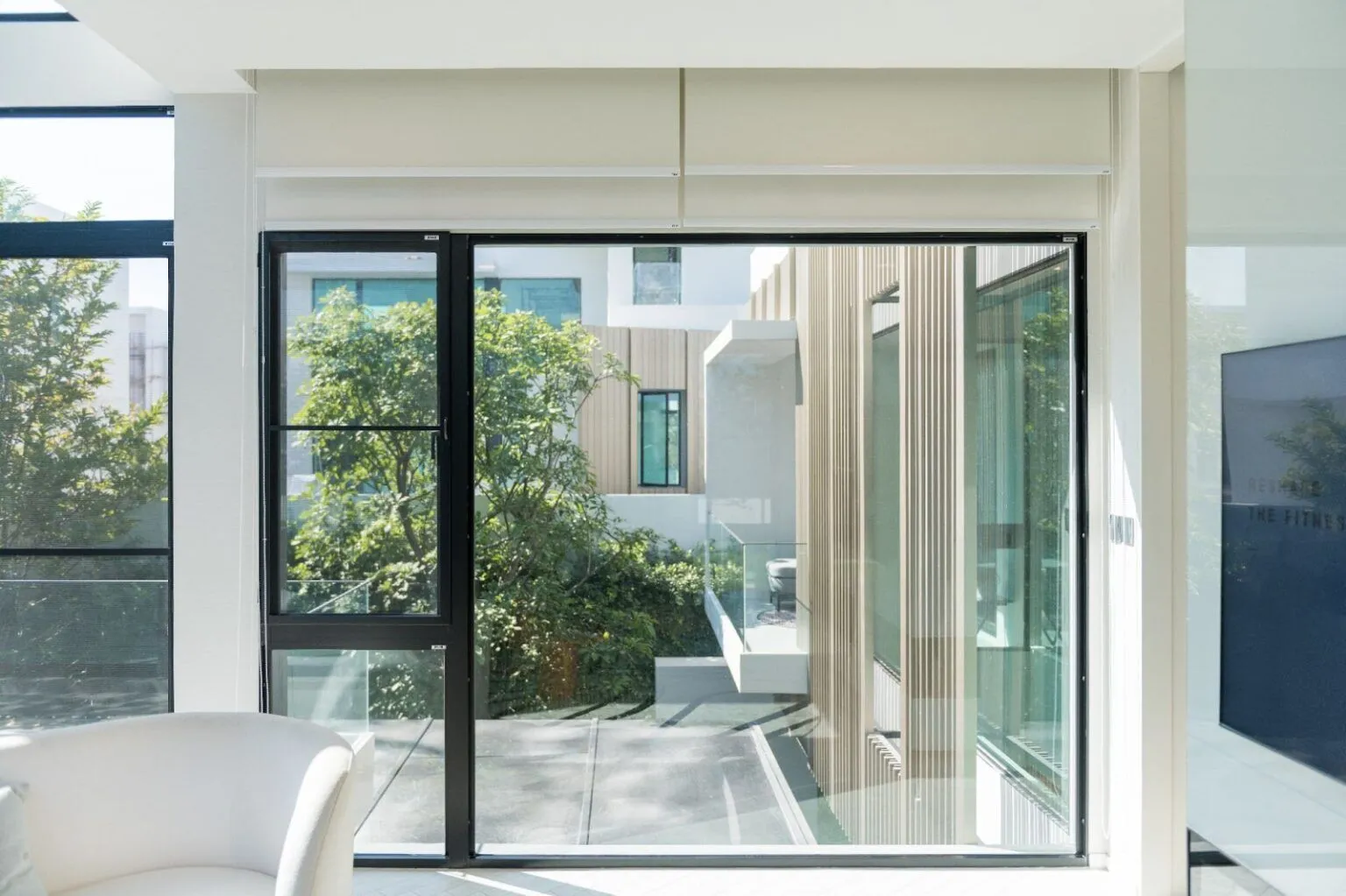
Modern kitchens need good daylight. Aluminium casement windows often have slim frames and large glass areas. This allows more sunlight inside. French casement windows, which open from the center without a fixed mullion, provide even wider openings and clear views. More light makes the kitchen feel spacious and welcoming.
4.
Easy Operation and Cleaning
A kitchen casement window is easy to operate with a simple handle or crank. This is useful when your hands are busy or slightly wet. Because the window opens fully, cleaning both sides becomes easier. Casement windows for kitchen spaces are practical for daily use and require simple maintenance.
Key Factors to Consider Before Choosing
Choosing the right window depends on several important factors that influence performance, durability, and long-term comfort.
Material Selection
Material affects durability and maintenance. Aluminium casement windows are strong, rust-resistant, and suitable for humid kitchen environments. They require low upkeep and last for years. If you want a wider opening and classic appearance, french casement windows are also a reliable choice.
Glass Options
Choose glass based on safety and insulation needs. Toughened glass adds strength. Double glazing improves thermal and sound insulation. For privacy, frosted glass works well in a kitchen casement window facing neighbouring homes.
Size and Placement
Window placement affects performance. Install casement windows for kitchen areas near cooking zones to remove smoke quickly. Placing them opposite another opening improves cross-ventilation. French casement windows are ideal where you want a wider opening and uninterrupted airflow.
Hardware Quality
Good hinges, handles, and locking systems ensure smooth use. High-grade fittings are especially important in aluminium casement windows because they support long-term performance. Strong hardware keeps the kitchen casement window secure and stable.
Long-Term Value and Performance
A kitchen window is not a short-term decision. It is a long-term investment that should perform well for many years. Choosing a high-quality kitchen casement window ensures durability, safety, and consistent performance. Cheap materials or poor fittings may reduce costs at first, but they often lead to repairs and replacements later.
TOSTEM casement windows for kitchen spaces excel under heat, steam, and daily use due to superior build quality. The multi-point locking systems provide top-tier security, while low-E glass options deliver excellent thermal insulation to maintain energy efficiency over decades.
French casement windows are also a practical choice where larger openings are needed. Their design allows better airflow while maintaining structural stability.
When you focus on long-term value rather than short-term savings, you make a smarter decision for your kitchen and your home overall.
Common Mistakes to Avoid
Before finalising your decision, be aware of these common mistakes that can affect performance and durability:
- Choosing a kitchen casement window based only on appearance.
- Ignoring ventilation and airflow requirements.
- Poor installation, which reduces sealing efficiency.
- Selecting low-quality hardware in aluminium casement windows affects long-term durability.
Installing casement windows for kitchen areas without checking the correct opening direction for proper ventilation.
Avoiding these mistakes will help you select a window that performs efficiently and lasts for years.
Maintenance Tips
Proper maintenance helps your windows perform well and last longer.
- Clean the glass and frames regularly to prevent grease buildup.
- Wipe the corners and tracks to remove dust and dirt.
- Check hinges and seals to ensure smooth operation.
- Inspect locking systems for proper alignment and safety.
- Aluminium casement windows require minimal upkeep but should still be checked occasionally.
Regular care ensures your kitchen casement window and french casement windows continue to function efficiently for years.
Conclusion
Choosing the right kitchen window plays an important role in improving comfort, airflow, and natural light. A well-designed casement style helps remove heat, smoke, and moisture, creating a healthier and more enjoyable cooking space. Durable aluminium frames provide strength and a sleek, modern appearance, while French designs allow wider openings and a more classic look. By focusing on performance, correct placement, and high-quality materials, you can ensure long-term efficiency, convenience, and lasting value for your kitchen.
FAQs
Which type of casement window is best for kitchens?
Aluminium casement windows are considered one of the best choices for kitchens because they offer excellent ventilation, durability, rust resistance, and low maintenance. French casement windows are also ideal for wider openings and better airflow.
Why are casement windows good for kitchen ventilation?
A kitchen casement window opens fully outward, allowing maximum airflow inside the kitchen. This helps remove smoke, cooking odours, heat, and moisture more efficiently than many other window styles.
Are aluminium casement windows suitable for Indian kitchens?
Yes, aluminium casement windows are highly suitable for Indian kitchens because they can withstand humidity, heat, grease, and changing weather conditions while requiring minimal maintenance.
What is the difference between casement windows and sliding windows for kitchens?
Casement windows provide better ventilation because they open completely outward, while sliding windows only open halfway. Casement windows also offer stronger sealing, better insulation, and improved airflow in kitchen spaces.
Which glass is best for a kitchen casement window?
Toughened glass and double-glazed glass are considered ideal for kitchen casement windows because they improve safety, insulation, noise reduction, and energy efficiency.
What are the advantages of French casement windows in kitchens?
French casement windows provide wider openings without a central mullion, allowing better airflow, more natural light, and unobstructed outdoor views. They are ideal for larger kitchens or spaces requiring maximum ventilation.
How do casement windows improve energy efficiency in kitchens?
Casement windows create a tighter seal when closed, reducing air leakage, dust, and heat transfer. High-quality aluminium casement windows with EPDM and Nano gaskets help maintain indoor temperatures and improve energy efficiency.
Where should a kitchen casement window be installed for better airflow?
Casement windows should ideally be installed near cooking zones or opposite another opening to improve cross-ventilation and remove smoke, steam, and heat more effectively.
Are casement windows easy to clean and maintain?
Yes, kitchen casement windows are easy to operate and clean because they open fully outward. Aluminium casement windows especially require very little maintenance and remain durable for many years.
What mistakes should homeowners avoid when choosing kitchen windows?
Homeowners should avoid choosing windows only based on appearance, ignoring ventilation needs, selecting poor-quality hardware, improper installation, and choosing the wrong opening direction for airflow.