Introduction
If you’ve ever squeegeed water off the floor after a shower, wrestled with a mildewed curtain, or wished a small bathroom felt bigger than it is, you already understand the benefits of a bathroom glass partition. It isn’t just a design trend, it solves three practical problems at once: it keeps water contained where it belongs, it’s easier to keep clean than almost any alternative, and it makes even a compact bathroom look brighter and more spacious. This guide walks through exactly what a bathroom glass partition does for your space, the different types available, how a shower area glass partition differs from a toilet bathroom glass partition, what actually drives the price, and how to choose and maintain one so it lasts for years.
What Is a Bathroom Glass Partition?
A bathroom glass partition is a fixed or moving glass panel almost always toughened (tempered) safety glass set into an aluminium, steel, or frameless hardware system used to separate the shower or wet zone from the rest of the bathroom. Unlike a shower curtain, it’s a permanent fixture that physically blocks water spray while still letting light travel through the room. It’s the reason a bathroom with a well-fitted bathroom glass partition tends to feel closer to a spa than a wet room.
Top Benefits of a Bathroom Glass Partition
1. Makes Small Bathrooms Look Bigger

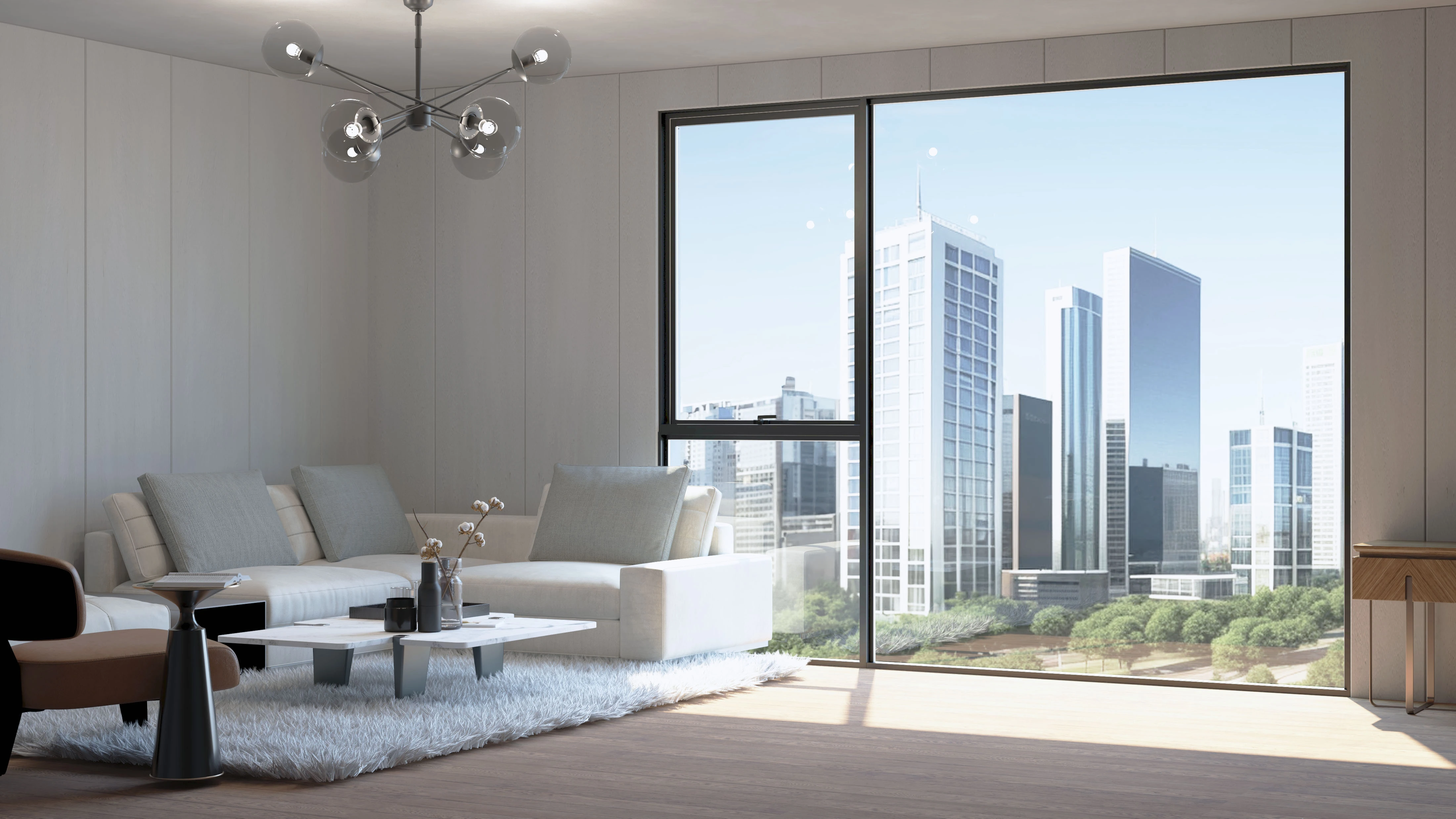
Source: AI Created
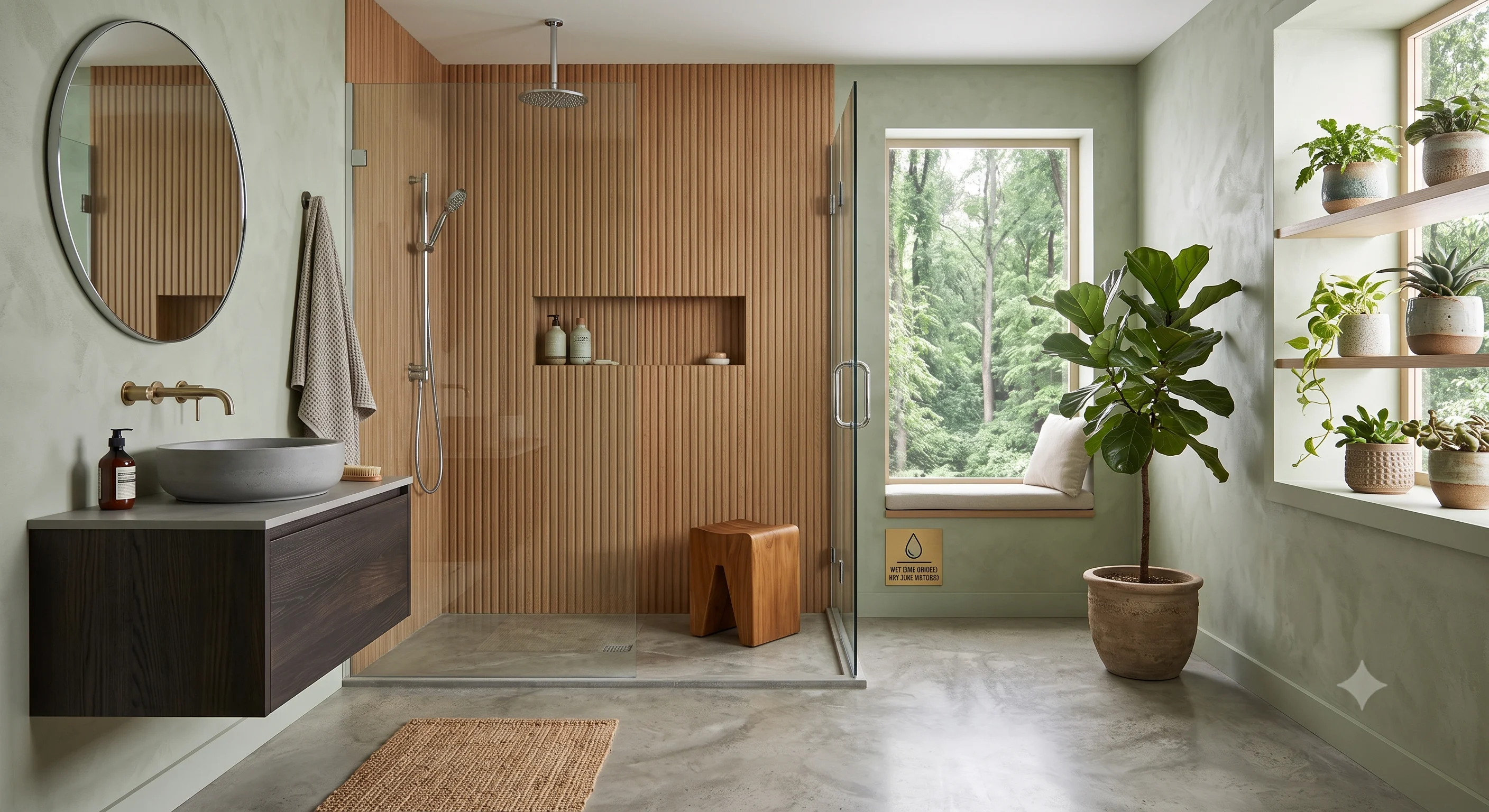
Because glass is transparent, a bathroom glass partition removes the visual “wall” the eye normally stops at. Instead of a solid barrier cutting the room in half, sightlines run uninterrupted from one end of the bathroom to the other, and light bounces around the space rather than getting blocked. In apartments where every square foot counts, this single change can make a compact bathroom feel noticeably more open than the same room fitted with a curtain or a brick partition.
2. Keeps Wet and Dry Zones Cleanly Separated
Source: AI Created
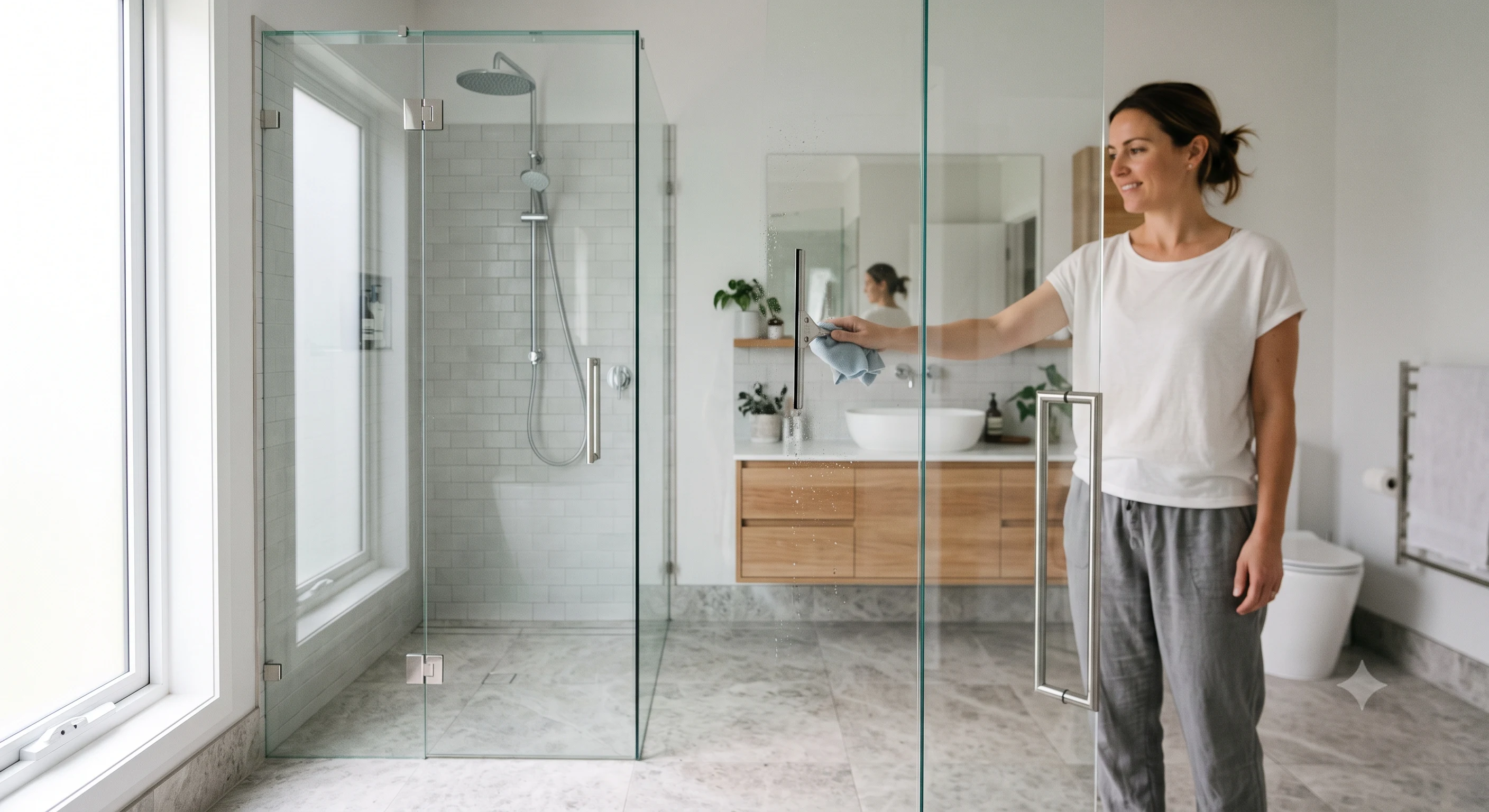
This is the most practical benefit. A well-fitted shower area glass partition contains splashing within the wet zone, so the floor near your vanity, WC, and storage stays dry. That matters for more than convenience standing water is exactly how bathrooms develop mould and mildew, and a constantly damp floor is also a slip hazard, especially for elderly family members or young children.
3. Long-Lasting and Genuinely Low Maintenance
Source: AI Created
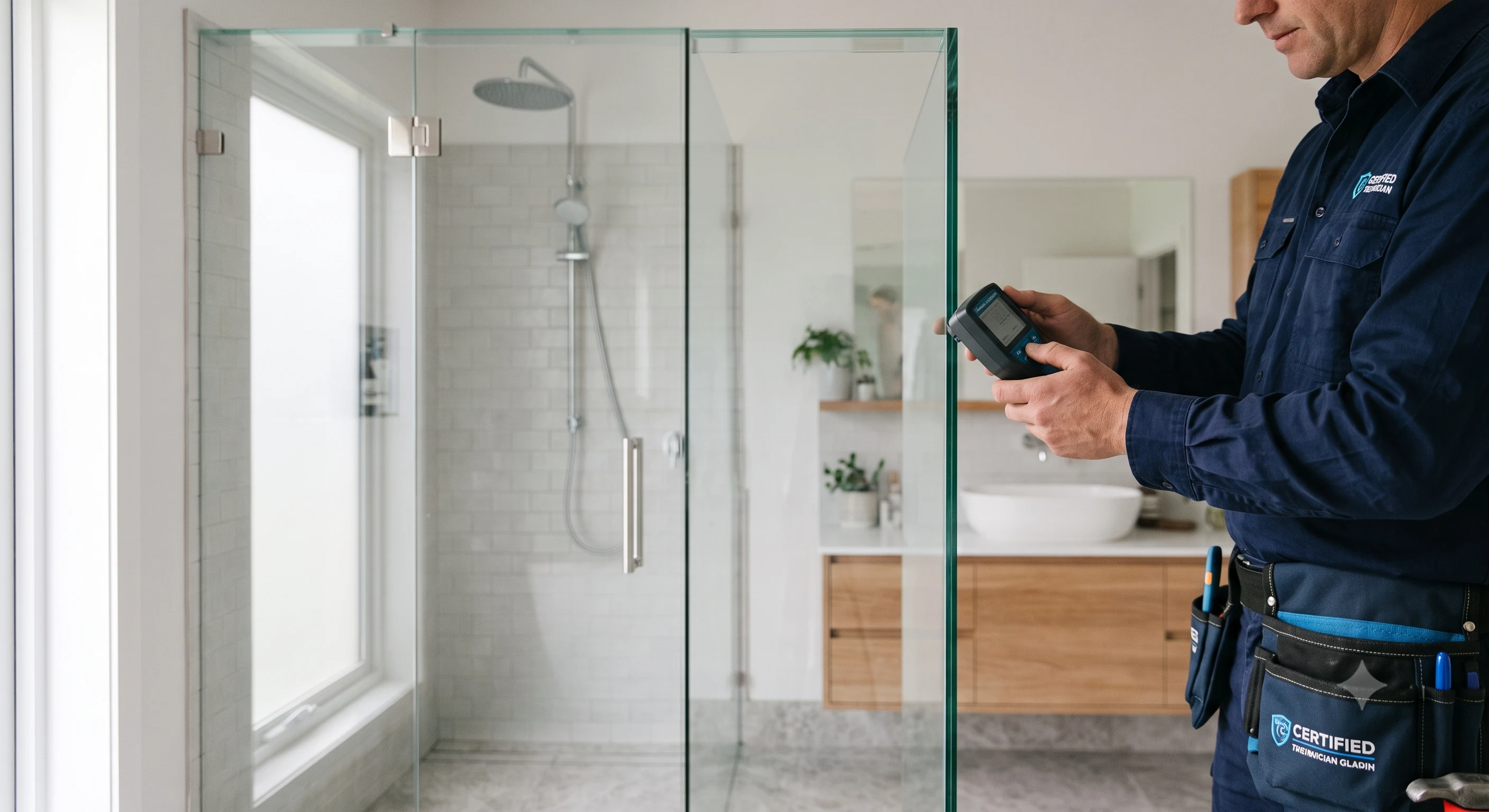
Good-quality bathroom glass partitions resist staining, corrosion, and hard-water marks far better than tile grout or curtain fabric. A soft wipe or a quick pass with a squeegee after each shower is usually enough to keep the glass clear. The frame matters just as much as the glass looks for aluminium profiles with a corrosion-resistant coating, since untreated metal will pit and discolour in a consistently humid environment within a few years.
4. Built-In Safety: Toughened Glass Standards
Source: AI Created
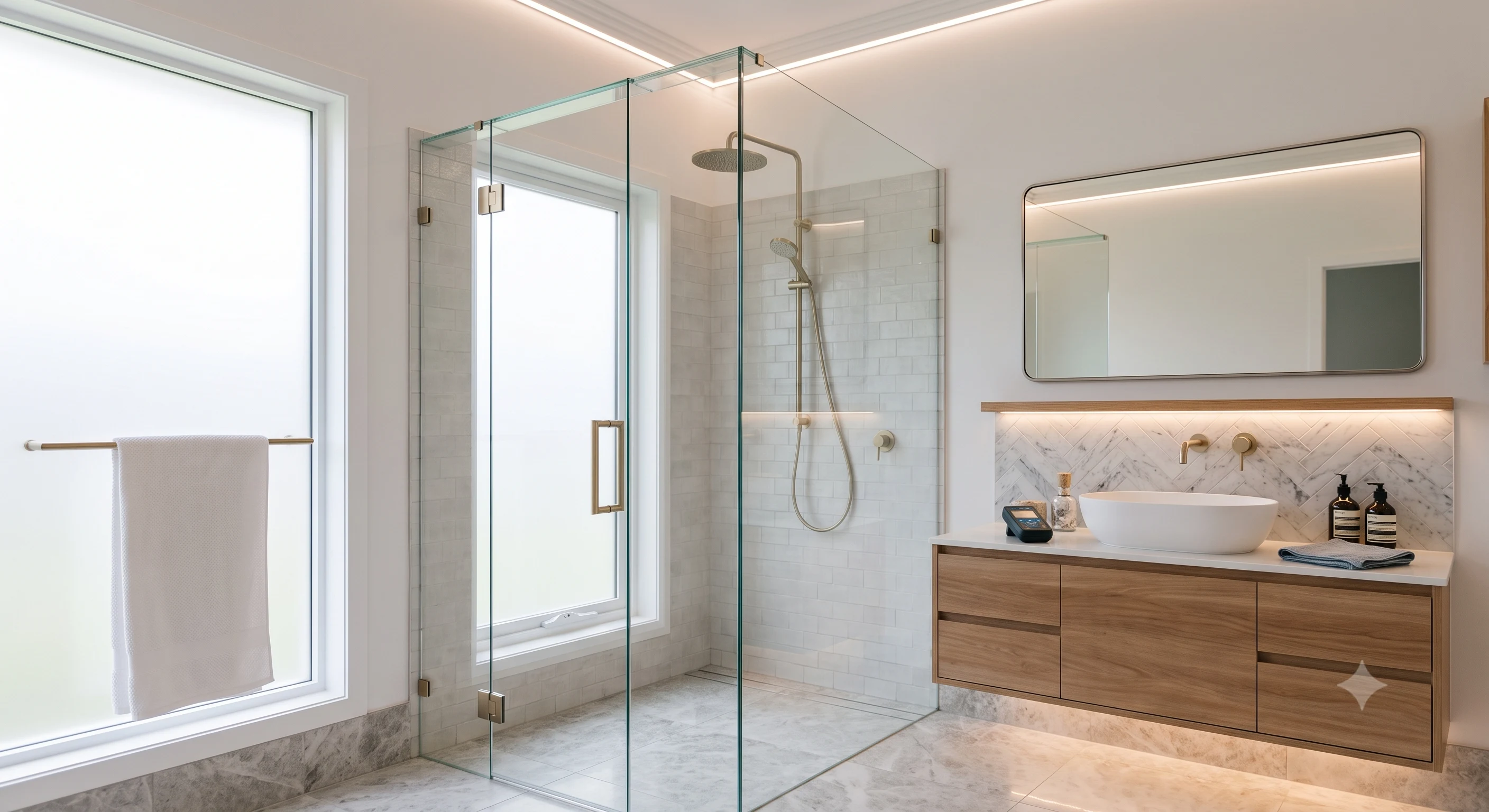
Every reputable bathroom shower glass partition uses toughened (tempered) glass, which is heat-treated to be roughly four to five times stronger than ordinary annealed glass. If it does ever break, it crumbles into small, blunt granules instead of sharp shards which is exactly why it’s classified as a safety glazing material for wet areas. Panel thickness typically runs 8-10mm for smaller sections and 10-12mm for full-height, unsupported panels.
5. A Cleaner, More Elevated Look
Source: AI Created
Beyond function, glass simply presents better than a shower curtain. It reads as intentional design rather than an afterthought and pairs with almost any tile, sanitaryware, or colour scheme clear glass for a minimalist look, or frosted and tinted glass where you want privacy without losing light.
Bathroom Glass Partition vs Shower Curtain
A quick side-by-side for anyone still weighing the two options:
| Factor | Bathroom Glass Partition | Shower Curtain |
|---|---|---|
| Water containment | Rigid barrier, fully seals the wet zone | Prone to gaps; billows inward while in use |
| Hygiene | Non-porous surface, resists mould and mildew | Fabric or vinyl traps moisture and mildews quickly |
| Lifespan | 10-20+ years with basic care | Typically replaced every 6-12 months |
| Upfront cost | Higher initial investment | Low upfront cost |
| Look and resale appeal | Reads as a modern, finished bathroom | Often seen as a budget or temporary fix |
| Upkeep | Occasional squeegee and wipe-down | Frequent washing or replacement |
Types of Bathroom Glass Partitions
Not every bathroom divider glass panel is built the same way. The three main configurations differ mainly in how the glass is supported:
| Type | What It Is | Best For |
|---|---|---|
| Framed | Toughened glass fully bordered by an aluminium or metal frame for structural support | High-usage bathrooms that need a tight, budget-friendly water seal |
| Semi-framed | Frame on select edges only (top, bottom, or one side); the rest is exposed glass | A middle ground between stability and an open, airy look |
| Frameless | Toughened glass held by minimal hinges or brackets with no visible border | Premium, minimalist bathrooms; fewer crevices means easier cleaning |
Finish is a separate decision from structure: clear glass keeps the space open and is the most affordable; frosted or textured glass adds privacy without blocking light; tinted glass adds a design statement, and etched glass allows for custom patterns all can be applied to a framed, semi-framed, or frameless bathroom shower glass partition.
Shower Area vs Toilet Bathroom Glass Partition: Choosing By Zone
Not every part of the bathroom needs the same treatment. A shower area glass partition is built primarily to contain water; it’s usually taller, uses a wider single or sliding panel, and prioritises a tight seal at the floor to stop leaks. A toilet bathroom glass partition, by contrast, is more about privacy and zoning than waterproofing; it’s typically used to visually separate the WC from the rest of a larger bathroom, or to create a discreet half-partition in a shared or compact layout.
If you’re outfitting a single small bathroom, one bathroom divider glass panel between the shower and the rest of the room usually covers both needs. Larger bathrooms with clearly distinct zones may benefit from separate partitions for the shower and the toilet area.
What Does a Bathroom Glass Partition Cost?
Pricing varies widely by city, fabricator, and specification, so instead of a single number, here’s what actually moves the price up or down:
| Factor | How It Affects The Price |
|---|---|
| Glass type | Clear glass is generally the most affordable; frosted, tinted, and etched finishes cost more due to extra processing |
| Thickness | 8-10mm suits smaller panels; full-height, unsupported panels usually need 10-12mm, which costs more |
| Framing | Fully framed designs are typically cheaper; frameless setups need precision hardware and cost more |
| Size and shape | Custom or curved shapes cost more than standard rectangular panels |
| Hardware | Sliding mechanisms, premium hinges, and coated finishes add to the total |
| Installation | Professional fitting with correct waterproof sealing costs more upfront but prevents leaks and rework |
Maintenance & Cleaning Tips
- Squeegee the glass after every shower to stop water spots from building up.
- Wipe weekly with a mild glass cleaner or a diluted vinegar solution to avoid abrasive scrubbers, which can dull the surface over time.
- In hard-water areas, consider a water softener or a protective glass coating to cut down on mineral deposits.
- Check the frame and silicone seals every few months for early rust, mould at the joints, or a failing seal reseal before it starts to leak into the subfloor.
- For light scratches, a glass polishing kit can buff out minor marks without needing a professional visit.
How to Choose the Right Bathroom Glass Partition
- Confirm toughened/tempered glass with a visible certification mark on the panel.
- Match thickness to panel height and support ask your installer for a structural recommendation rather than guessing.
- Pick framed for durability and budget, frameless for the cleanest sightlines and easiest cleaning, or semi-framed as a middle ground.
- Choose the finish based on privacy needs: clear for openness, frosted or tinted where privacy matters more.
- Confirm the frame material is corrosion-resistant, particularly in humid or coastal climates.
- Ask for warranty terms on the glass, hardware, and any protective coating separately; they’re often covered differently.
Conclusion
The benefits of a bathroom glass partition go well beyond looks: better hygiene, real safety standards, low upkeep, and a bathroom that reads as larger and brighter than it actually is. Whether you need a single shower area glass partition for a compact apartment or a fully zoned setup with a separate toilet bathroom glass partition, matching the right glass type, frame, and thickness to your space is what makes the investment pay off for years to come.
FAQs
Is a bathroom glass partition safe?
Yes. Reputable partitions use toughened (tempered) glass, which is heat-treated to be several times stronger than regular glass and breaks into small, blunt pieces rather than sharp shards if it ever fails.
Which is better framed or frameless bathroom glass partition?
Framed partitions are generally more budget-friendly and offer a tighter water seal. Frameless partitions look more minimalist and are easier to clean since there are fewer joints for soap scum to collect in, but they typically cost more due to the precision hardware involved.
How thick should the glass be?
Smaller panels typically use 8-10mm toughened glass, while full-height, unsupported panels usually need 10-12mm for structural stability. Confirm the exact thickness with your installer based on your bathroom’s dimensions.
How do I clean a bathroom glass partition?
Squeegee it after each use, wipe weekly with a mild glass cleaner, and address hard-water spots as soon as they appear. A water softener or protective coating helps significantly if your water supply is hard.
Does a bathroom glass partition increase home value?
It’s widely recognised in resale and rental listings as a sign of a modernised, low-maintenance bathroom. The actual impact on value depends on your local market and the quality of the overall renovation.
Can I install one in a very small bathroom?
Yes small bathrooms often benefit the most, since a glass partition avoids the boxed-in feeling that a solid wall or curtain rod creates. Sliding or frameless panels save the most floor space.