Key Takeaways
- Double glazed windows use two glass panes with a sealed air or gas-filled gap to reduce heat transfer and improve indoor comfort.
- They can help lower cooling requirements, reduce outside noise, minimise condensation, and provide better UV protection than single glazing.
- Double glazing is particularly useful for homes exposed to strong sunlight, traffic noise, high humidity, or heavy monsoon conditions.
- Although double glazed windows have a higher upfront cost, their improved energy efficiency and long-term performance can help offset the initial investment.
- Frame quality, glass specification, seal performance, warranty, and professional installation are essential for achieving reliable double glazing performance.
Most window decisions in India come down to size, budget and how a room looks from the street. Very few homeowners ask a more useful question: how well does the glass itself perform once it’s installed? That question is exactly where double glazed windows earn their reputation. In cities where summer heat, monsoon humidity and traffic noise all compete for attention indoors, the glass you choose affects your comfort far more than most people expect.
This guide covers what double glazed windows actually are, how they work, the real benefits and costs, how they compare with single glazing, and how to choose the right one for your home including where TOSTEM’s aluminium System Windows fit into that decision.
What Are Double Glazed Windows?
A double glazed window also called a double glass window or double-pane window uses two panes of glass instead of one, separated by a sealed gap of roughly 12–20mm. That gap is filled with either ordinary air or an inert gas such as argon or krypton, and the entire unit is hermetically sealed at the edges to keep moisture and outside air from entering.
This sealed gap is not just a manufacturing detail, it’s the entire reason double glazed glass performs better than a single pane. Heat, cold and sound all have to cross two glass surfaces and a trapped insulating layer before they reach the inside of your home, instead of just one thin pane. Higher-end variants add a low-emissivity (low-E) coating on the internal pane, which reflects radiant heat back the way it came while still letting light through.
How Double Glazing Actually Works
Glass on its own is a poor insulator; a single pane transfers heat almost as fast as the temperature difference allows. Add a second pane with a sealed air or gas gap, and that transfer slows down considerably, for two reasons:
- Still air (or inert gas) is a weak conductor of heat, so it resists heat moving from one side to the other.
- The narrow gap is too small to allow convection currents to form, which stops the air inside from actively carrying heat across.
The result: during Indian summers, less outside heat reaches your interior through the glass, so your air conditioner runs less. During winter or in hill-station climates, indoor warmth stays inside for longer. You won’t feel a dramatic difference in a single hour but across a full day, and especially across a full season, the reduction in your cooling load is measurable and shows up on your electricity bill.
Key Benefits of Double Glazed Windows
Here are the practical, evidence-backed benefits of double glazed windows that homeowners actually experience:
1. Energy Efficiency and Lower Cooling Bills
Because the sealed gap slows heat transfer, rooms with double glazed windows hold a more stable indoor temperature. Your air conditioner cycles less often to maintain that temperature, which directly reduces electricity consumption particularly in west- and south-facing rooms that take direct afternoon sun.
2. Noise Reduction
Noise Reduction in Double Glazed Windows: How Mismatched Panes & Sealed Gaps Block Sound
Sound can pass through glass and gaps around a window, but a well-engineered double-glazed unit can significantly reduce noise transmission. Mismatched pane thicknesses, such as 5 mm + 6.5 mm glass instead of two identical 5 mm panes, can help reduce sound transmission across different frequencies. The varying thicknesses respond differently to sound waves, making it harder for noise to pass through the glazing system. TOSTEM’s aluminium System Windows apply this principle by pairing mismatched panes with a sealed insulating gap to create an effective acoustic barrier against traffic, construction, and street noise. This can be particularly useful in apartments on busy roads or near flight paths.
Noise reduction can improve further when double-glazed units have factory-sealed gaps and secure locking systems. TOSTEM integrates these features into the window system, helping maintain consistent performance and reducing the risk of installation gaps that can compromise acoustic insulation.
3. Reduced Condensation
In humid or monsoon conditions, a single glass pane often fogs up on the inside when air conditioning cools it below the surrounding air’s dew point. With double glazed glass, only the innermost pane is exposed to the cooled indoor air, while the sealed gap buffers it from rapid temperature swings so condensation and the mould risk that comes with it are significantly reduced.
4. UV Protection for Interiors
Multiple layers of glazing block a meaningful share of ultraviolet radiation that would otherwise fade upholstery, wooden furniture, flooring and artwork over time. This is a quieter benefit than energy savings, but a real one for homes with large glass areas or west-facing rooms.
5. Enhanced Security
A double glazed unit is harder to break through than a single pane simply because there are two layers to defeat instead of one. Paired with multi-point locking hardware standard on most modern double glazed windows this meaningfully raises the effort needed to force a window open.
6. Higher Property Value
Double glazed windows and doors are now a recognised upgrade in the Indian resale and rental market, similar to modular kitchens or branded flooring. Buyers increasingly ask about glazing type, energy efficiency and noise insulation during site visits, and a documented upgrade can support a stronger asking price.
Must Read:- UPVC Windows vs Aluminium Windows
Where Double Glazing Makes the Biggest Difference
Double glazing isn’t equally valuable in every home. It matters most in:
- Apartments and villas that get strong, direct afternoon sun on large glass areas
- Homes on busy roads, near construction, or under flight paths
- Upper floors of high-rises, where wind pressure and heat load are both higher
- Cities with long, intense summers and heavy monsoon humidity most of urban India qualifies
In a small, shaded, ground-floor room with minimal outside noise, the case for double glazing is weaker. The decision should follow your home’s actual sun and noise exposure, not a blanket rule.
Double Glazed vs. Single Glazed Windows
| Factor | Single Glazed | Double Glazed |
|---|---|---|
| Heat transfer | High minimal resistance | Significantly reduced by the sealed air/gas gap |
| Noise reduction | Basic | Considerably better, improves further with mismatched pane thickness |
| Condensation | More prone, especially with AC use | Reduced inner pane is buffered from rapid swings |
| Upfront cost | Lower | Higher typically 30–60% more than single glazing |
| Long-term running cost | Higher cooling/heating load | Lower, offsets upfront premium over time |
| Best suited to | Mild climates, low-noise, budget-first projects | High-sun, high-noise, high-humidity, long-term ownership |
Is Double Glazing Worth the Cost? An Honest Look
Double glazed windows are genuinely more expensive than single glazed ones, and it’s worth being upfront about that rather than only listing upsides. A few honest caveats:
- Higher upfront cost: expect a real premium over single glazing the exact amount depends on frame material, glass thickness and gas fill.
- Not repairable pane-by-pane: if the seal fails and moisture gets between the panes, the entire sealed unit typically needs replacing rather than just one pane.
- Aesthetic fit: the deeper, more “filled-in” look of double glazing suits contemporary architecture more naturally than heritage or colonial-style homes, though slim aluminium frames narrow this gap considerably.
The way to manage the first two risks is warranty and installation quality, not avoiding double glazing altogether see the buying checklist below.
Modern Double Glazed Windows: Design and Frame Options
TOSTEM Aluminium System Windows: The Complete Solution for Indian Apartments
For apartments and villas in India, TOSTEM’s pre-engineered aluminium System Windows stand out as purpose-built double-glazed solutions engineered for three specific challenges: intense summer heat, monsoon humidity, and urban traffic noise.
Why TOSTEM for Apartments:
TOSTEM System Windows combine slim aluminium profiles with pre-engineered, factory-tested double glazing, reducing the on-site variability associated with conventional window assembly. Each window is manufactured and quality-checked at the factory, packed as a complete unit, and delivered to the site ready for installation. This means the window is installed as a complete system rather than assembled piece by piece on site.
Noise Reduction in High-Density Areas:
TOSTEM’s aluminium window systems can accommodate double-glazed glass configurations selected by the customer based on the project’s requirements. Mismatched pane thicknesses can improve acoustic performance by reducing sound transmission across different frequencies. When used with a suitable sealed double-glazed configuration, the air gap between the panes can further help limit external noise from traffic and construction. Multi-point locking hardware can also help the window close securely, supporting the overall performance of the installed system.
TEXGUARD Coating for Monsoon Performance:
TOSTEM aluminium windows feature patented TEXGUARD technology, a protective surface treatment designed to resist the effects of heat, light and water. It helps retain colour and finish for at least 40 years while reducing dust accumulation and surface maintenance.
Design Without Compromise:
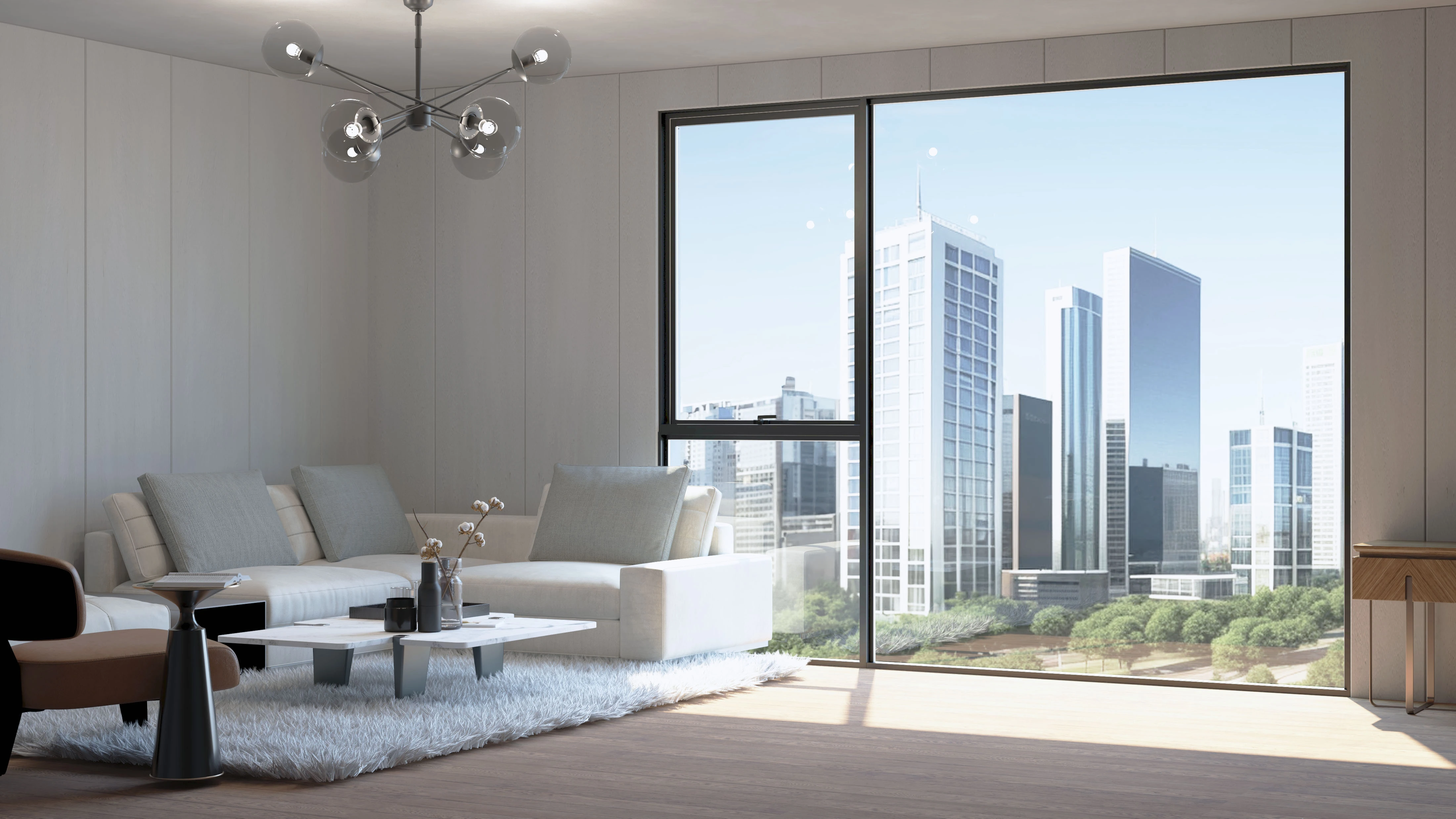
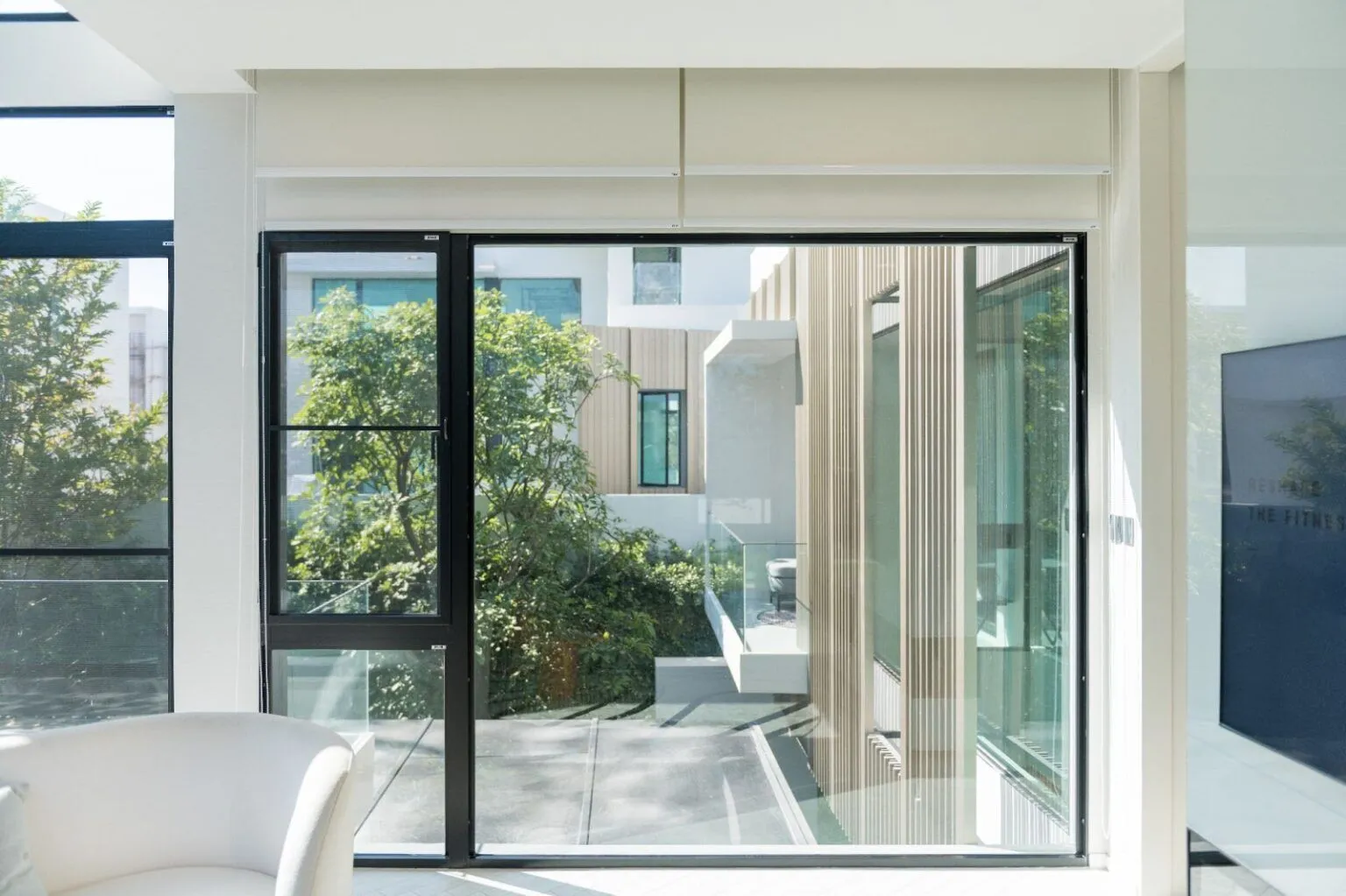
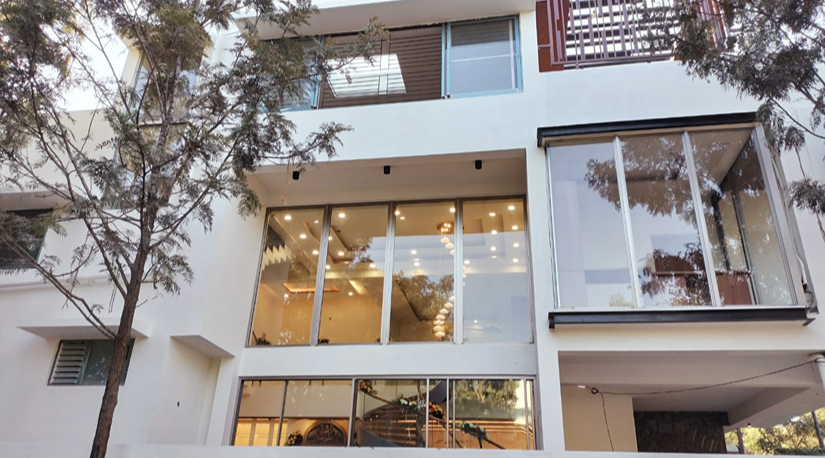
Unlike boxy conventional double glazing, TOSTEM’s slim aluminium frames maintain large glass areas with narrow sightlines, so apartments don’t sacrifice natural light or views. The same profile works across sliding doors, casement windows, and fixed glazing on one facade for a consistent, contemporary look.
System-Engineered Quality Control:
Because TOSTEM builds and tests each unit at the factory before site installation, seal quality and fitment consistency are predictable-directly reducing the risk of seal failure that makes repair costly and complex.
What to Check Before You Buy Double Glazed Windows
- Frame type: thermally broken aluminium or quality uPVC a poor frame undermines even good double glazed glass.
- Gas fill: argon or krypton-filled units insulate better than plain air-filled gaps.
- Low-E coating: meaningfully reduces heat transfer beyond what the air gap alone provides.
- Seal quality and warranty: this is the single biggest predictor of long-term performance and asks specifically what the warranty covers if the seal fails.
- Energy performance rating: look for tested, certified performance data rather than taking “energy efficient” as a marketing claim on faith.
- Installation process: factory-engineered, pre-tested systems reduce the on-site errors that cause most real-world double glazing complaints.
The Bottom Line
Double glazed windows work on a simple principle: two panes, one sealed insulating gap but the payoff is real: lower cooling bills, noticeably less outside noise, reduced condensation, better security and stronger resale appeal. They cost more upfront than single glazing and the sealed unit isn’t repairable if it fails, which is exactly why frame quality, seal warranty and professional installation matter as much as the glass specification itself.
TOSTEM’s aluminium System Windows are engineered and quality-checked at the factory before reaching site, pairing double glazed glass with TEXGUARD-coated slim aluminium frames designed to perform reliably across Indian summers, monsoons and city noise, without compromising on light or design.
Ready to compare options for your home? Talk to a TOSTEM window consultant for a tailored recommendation based on your floor level, sun exposure and noise environment.
FAQs
Is double glazing worth it in Indian weather?
Yes, particularly in cities with strong summer heat, high humidity and traffic noise which describes most urban Indian markets. The hotter and noisier your specific location, the stronger the case.
How much do double glazed windows cost compared to single glazed?
Expect roughly 30–60% more upfront than single glazing, depending on frame material, glass specification and gas fill. The difference is typically offset over time through lower cooling costs, though the payback period varies by home and climate. Premium brands like TOSTEM, which deliver factory-engineered systems, often sit at the higher end of this range but offset the upfront cost with superior seal reliability and durability through TEXGUARD-coated aluminium frames, reducing long-term replacement costs.
Do double glazed windows really reduce electricity bills?
In most homes, yes. By slowing heat transfer through the glass, they reduce how hard your air conditioner has to work, which lowers electricity consumption. The effect is most noticeable in rooms with large glazed areas and direct sun exposure. Optimised double-glazed systems, like TOSTEM’s pre-tested aluminium units with low-E coatings, maximise this benefit because factory quality control ensures consistent gas fills and seal integrity that preserve thermal performance year over year.
Can double glazed windows be repaired if the seal fails?
Not pane-by-pane. If the seal between the two panes fails and moisture or fogging appears, you usually need to replace the entire glazed unit. TOSTEM aluminium System Windows use a pre-engineered system that helps reduce the risk of issues caused by inconsistent on-site assembly. This is why seal quality and warranty terms matter more than almost any other spec when buying—and why choosing a manufacturer that factory-builds and tests complete units (rather than local assembly) meaningfully lowers the likelihood of early seal failure.
Are double glazed windows only suitable for modern or luxury homes?
No. While slim modern double glazed windows suit contemporary architecture particularly well, the underlying thermal and acoustic benefits apply to any home with meaningful sun or noise exposure, regardless of budget tier.
What’s the difference between double glazed windows and double glazed windows and doors as a system?
The glazing technology is identical to two sealed panes with an insulating gap. “Windows and doors” simply refers to using the same double-glazed glass and frame system across sliding doors, casement windows and fixed panels on one facade, so the whole home gets consistent thermal and acoustic performance rather than just individual windows.