
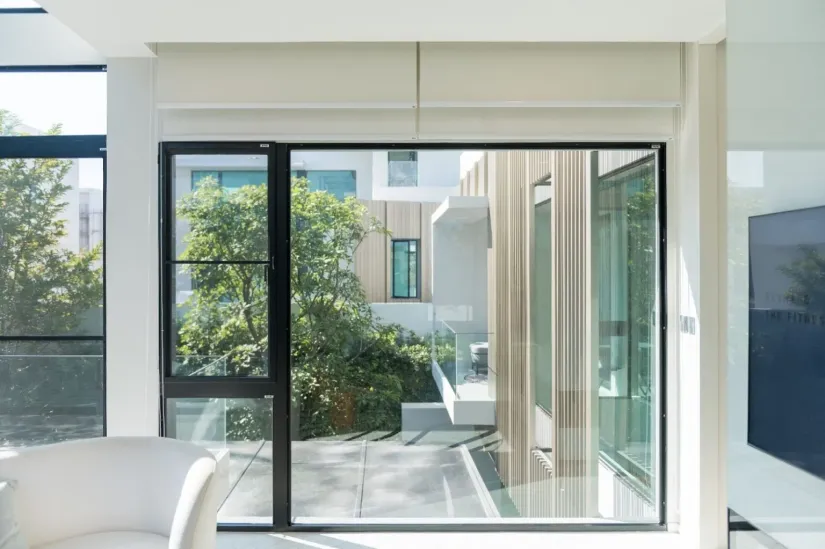
Choosing the Best Glass Windows for Luxury Homes: Complete Window Glass Types Guide
When designing or renovating a luxury home, selecting the right window glass types is one of the most critical decisions you’ll make. Glass windows control how natural light illuminates your spaces, influence thermal efficiency, impact indoor comfort through noise reduction, and define the overall aesthetic character of your property.
Different window glass types offer distinct performance characteristics, ranging from traditional single-pane options to cutting-edge smart glass technology. Understanding the full spectrum of available window glass types and how they perform in different rooms and climate conditions is essential for creating luxury spaces that balance beauty, functionality, and energy efficiency.
This comprehensive guide explores every major category of window glass types for modern luxury homes, breaking down practical benefits of each option, comparing frame materials, and providing room-by-room recommendations to help you make informed decisions.
Understanding Window Glass Types: Foundation for Luxury Home Design
The term “window glass types” refers to different classifications of glass panes engineered for specific performance outcomes. In luxury homes, window glass types selection significantly impacts energy efficiency, acoustic performance, natural light quality, security, aesthetics, and long-term durability.
Must Read:- 10 Window Design Trends to Enhance Your Home’s Look and Feel
The Major Window Glass Types: Properties, Performance & Applications
1. Single-Pane Glass Windows
Source: AI Created
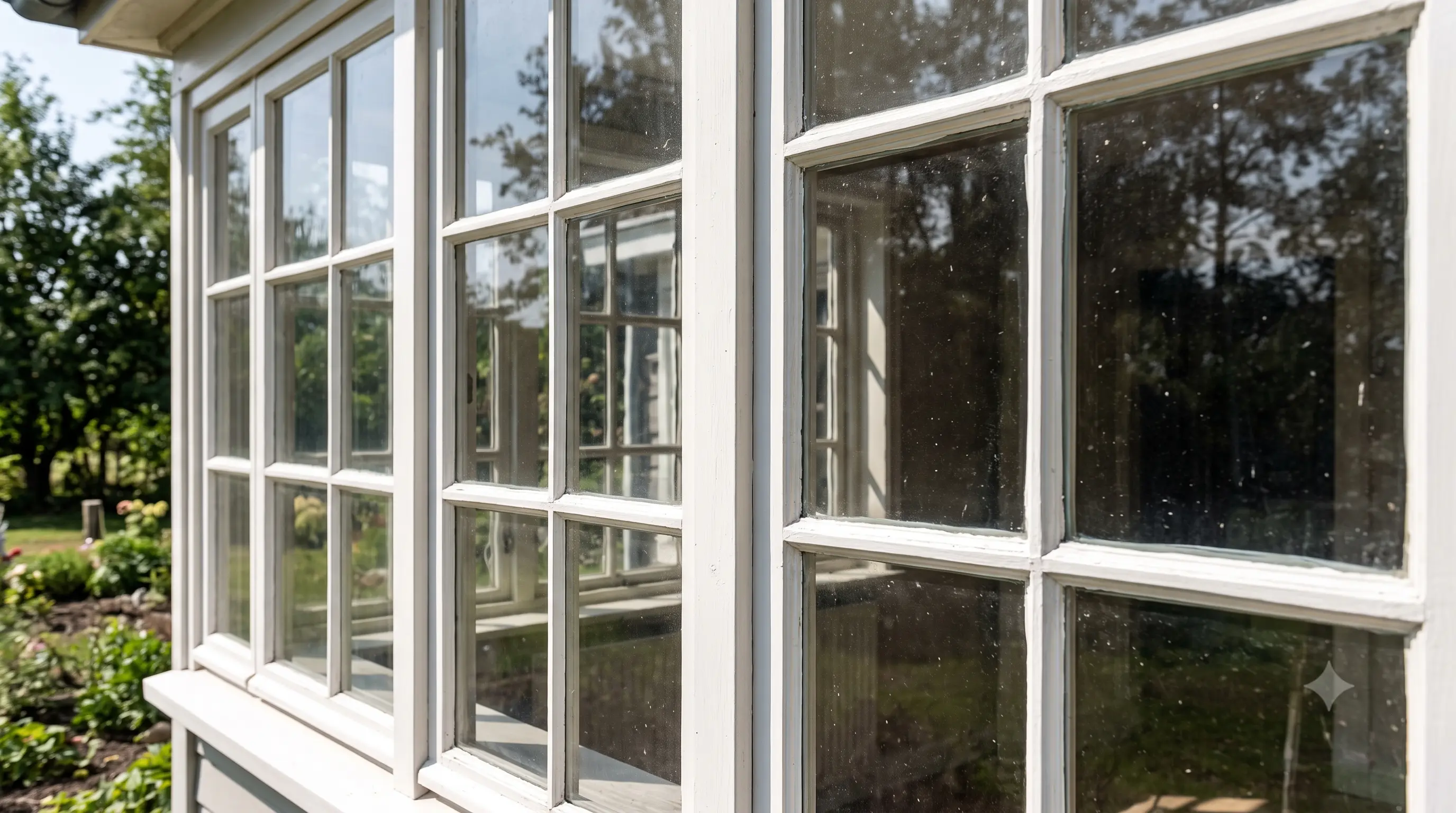
Single-pane glass represents the most basic window glass types, consisting of a single glass layer in a frame.
Characteristics:
- Minimal thermal insulation
- No acoustic insulation
- Lower initial cost
- Not recommended for luxury renovations
2. Double-Pane (Insulated Glass) Windows
Source: AI Created
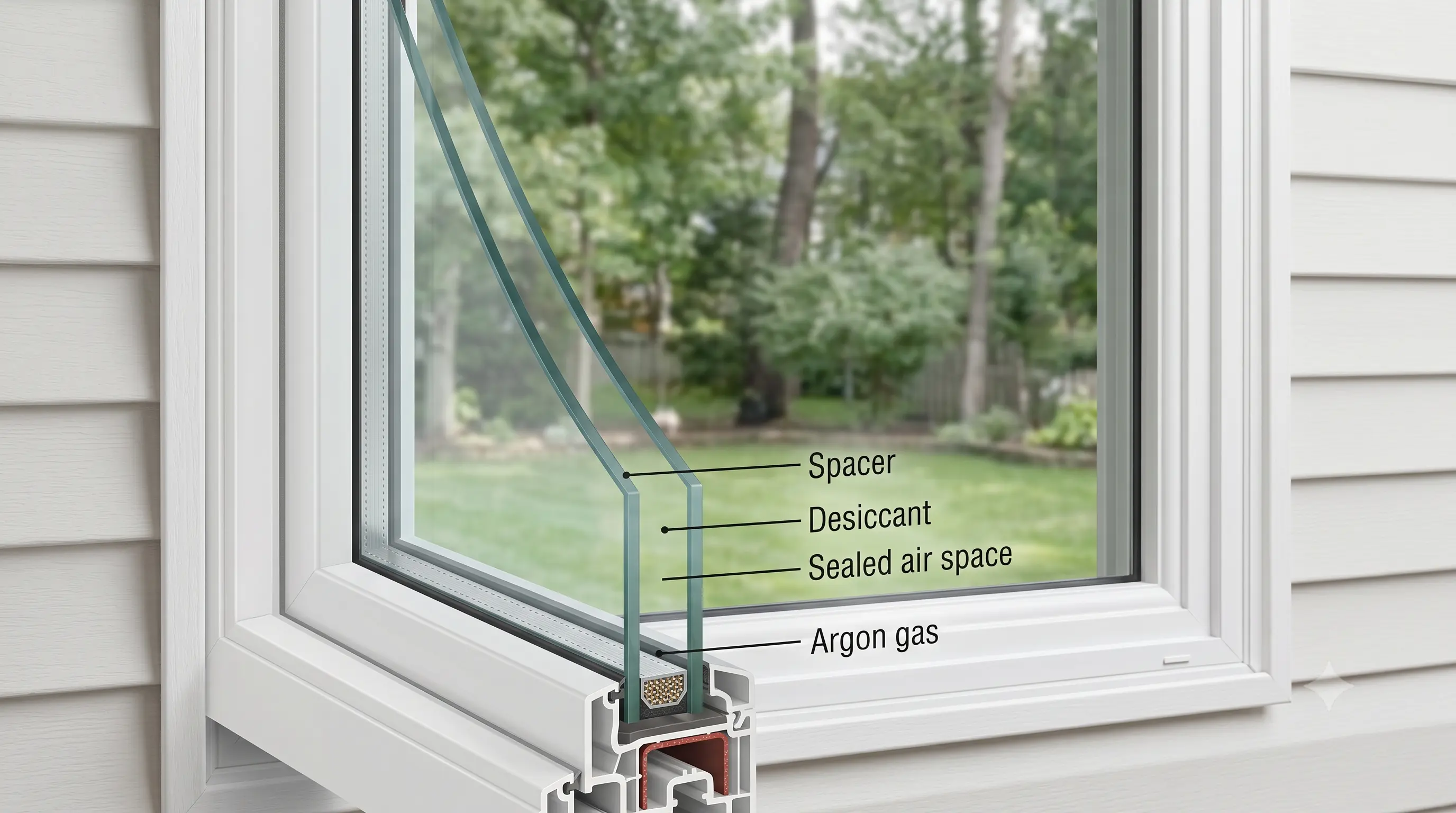
Double-pane windows are the most popular choice among window glass types for luxury homes. They feature two glass panes separated by an air or inert gas-filled space, creating a powerful thermal barrier.
Why They Excel:
- Energy Efficiency: Reduces heating/cooling costs by 20-30%
- Acoustic Performance: Reduces external noise by 25-50%
- Improved Comfort: Maintains consistent interior temperatures
- Low-E Options: Reflective coatings control heat transfer
- Lifespan: Typically lasts 20-30+ years
3. Triple-Pane Glass Windows
Source: AI Created
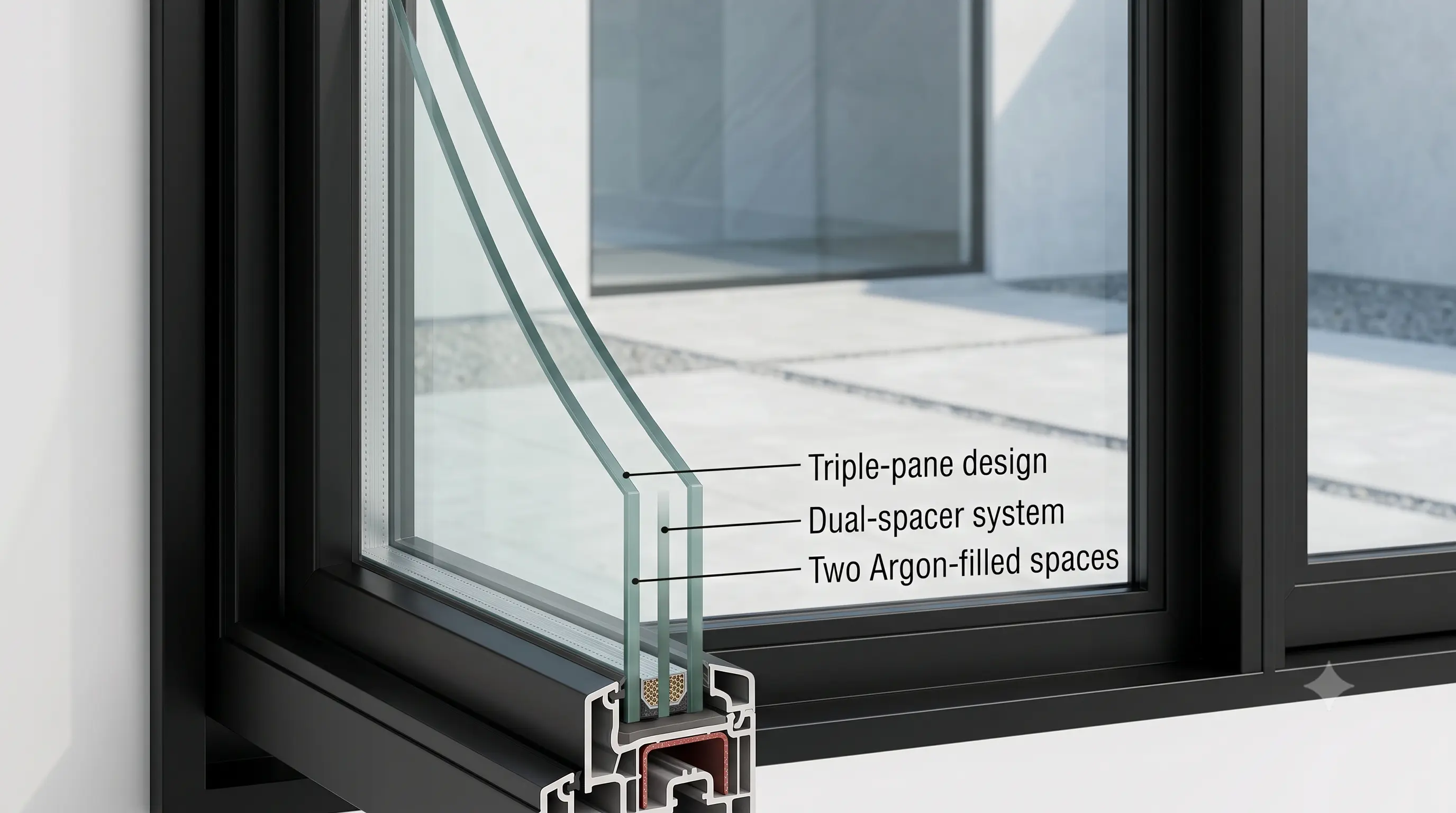
Triple-pane windows represent the premium tier of window glass types, with three panes and two insulating air/gas spaces.
Benefits:
- Maximum thermal insulation 40% energy savings vs single-pane
- Superior sound reduction for urban luxury homes
- Highest performance for extreme climates
4. Tinted Glass Windows
Source: AI Created
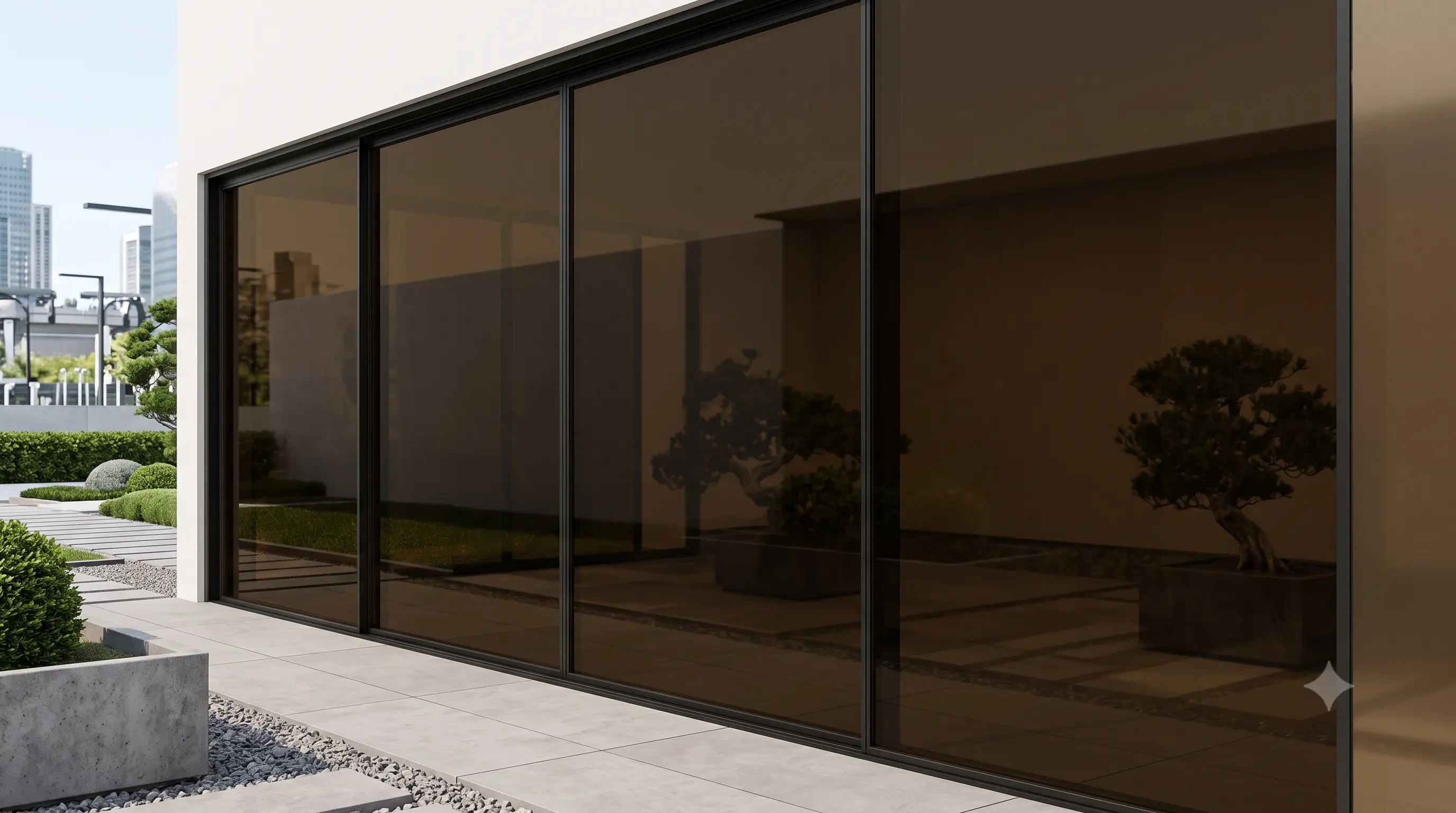
Tinted glass represents window glass types with color or reflective coatings, offering aesthetic and functional benefits.
Types Available:
- Bronze Tint: Reduces glare and heat by 15-20%
- Gray Tint: Neutral with excellent glare control
- Green Tint: Balanced solar control
- Reflective Tint: High-performance option
5. Laminated Glass Windows
Source: AI Created
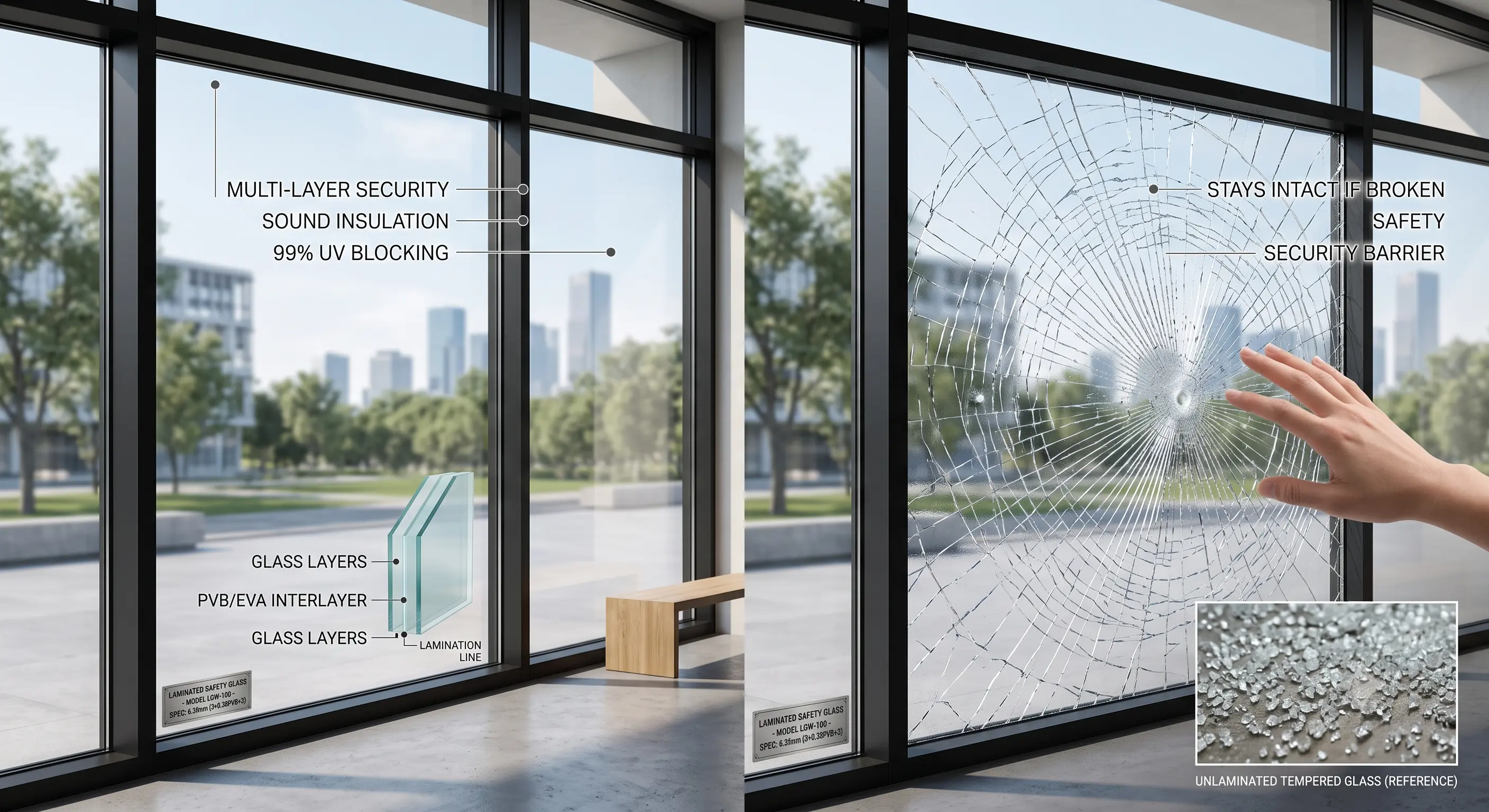
Laminated glass is among the most secure window glass types, bonding panes with a plastic interlayer.
Security Benefits:
- Impact Resistant: Doesn’t shatter into shards
- Enhanced Security: Harder to break through
- Sound Attenuation: Superior acoustic performance
- UV Protection: Blocks 99% of UV rays
6. Tempered Glass Windows
Source: AI Created
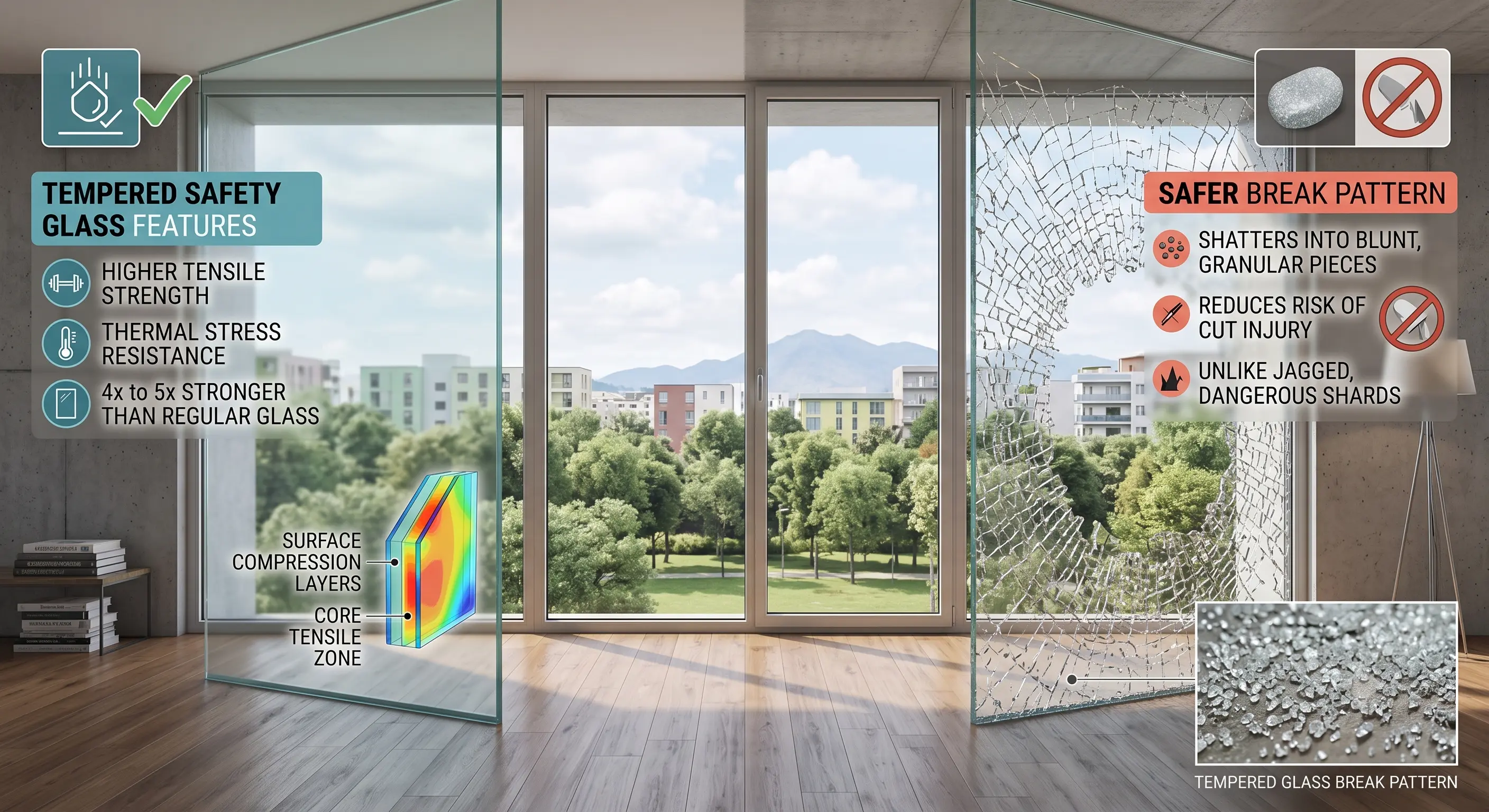
Tempered glass is heat-treated, making it among the strongest window glass types available.
Key Features:
- 4-5 times stronger than regular glass
- Shatters into small granular pieces
- Superior thermal shock resistance
7. Smart Glass (Electrochromic Windows)
Source: AI Created
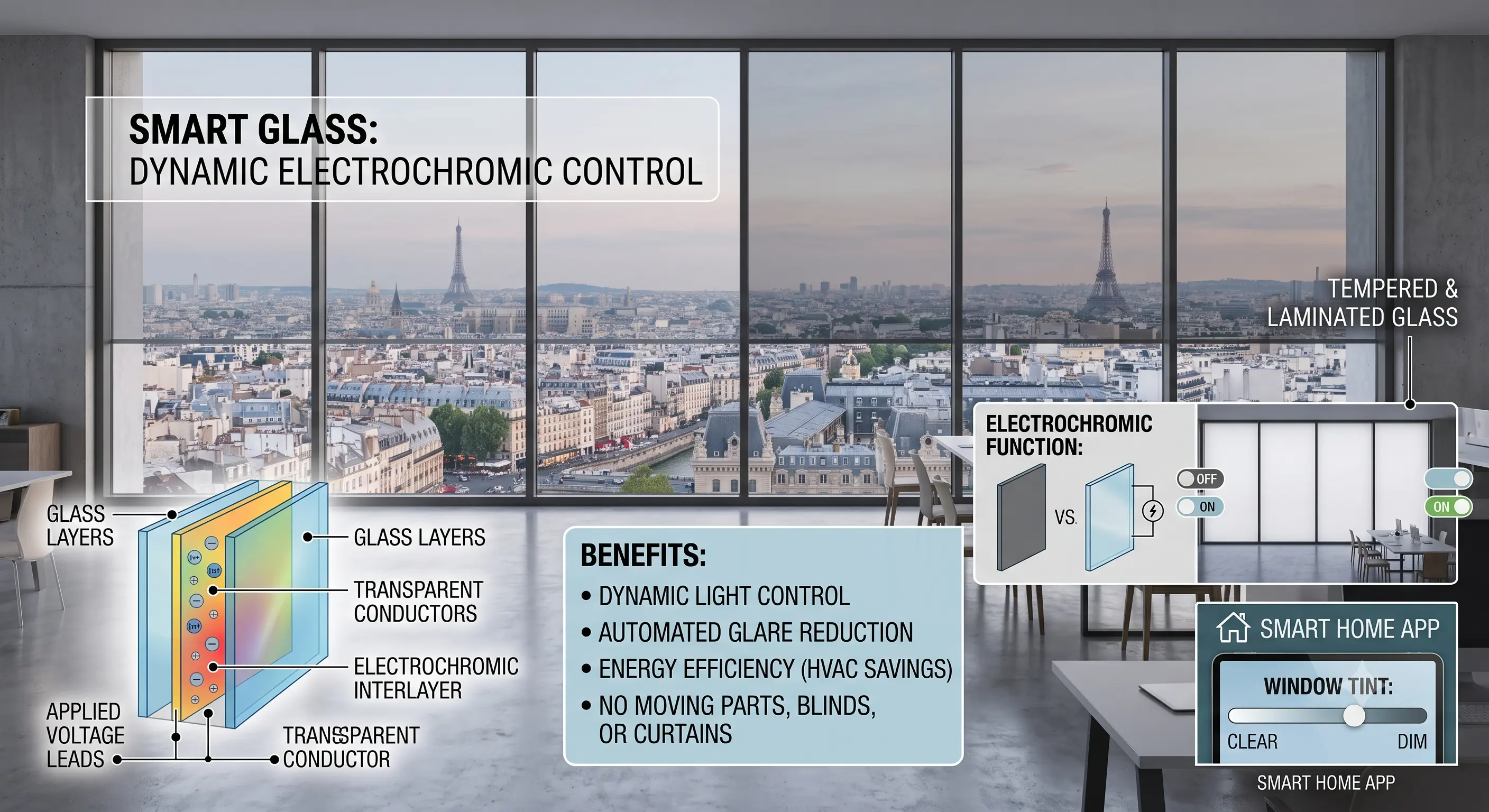
Smart glass represents cutting-edge window glass types innovative technology allowing electronic control of transparency levels.
Why Luxury Homes Adopt Smart Glass:
- Dynamic Privacy: Switch instantly between transparent and opaque
- Automated Solar Control: Reduces cooling loads by 15-25%
- Enhanced Aesthetics: No visible blinds or shades
- Smart Home Integration: Syncs with home automation
- Energy Savings: Reduces HVAC load
Must Read : Top 6 Sliding Window Glass Design Ideas For Your Home
Best Glass Window Frames for Luxury Homes
Aluminium Fixed Glass Windows
Aluminium frames offer slimline profiles maximizing glass-to-frame ratios. Aluminium fixed glass window systems are particularly popular for floor-to-ceiling applications.
Advantages:
- Slimline Profiles: More glass, more light, unobstructed views
- Unlimited Color Options: Powder coating any palette
- Durability: Non-corrosive, won’t warp or rot
- Modern Aesthetic: Clean, minimalist lines
- Structural Strength: Supports large spans
uPVC Window Frames
uPVC frames are the most energy-efficient frame option, increasingly popular in luxury homes prioritizing sustainability.
Why uPVC Excels:
- Superior Thermal Insulation: Multi-chambered profiles
- Energy Star Certified: Meets efficiency standards
- Low Maintenance: No painting or staining
- Moisture Resistant: Won’t swell or warp
- Excellent Acoustics: Sound dampening
- Wide Color Range: Wood-grain finishes
Selecting Glass Window Types by Room
Master Bedroom: Double-pane laminated or smart glass
Bedrooms require acoustic privacy and light control. Double-pane windows reduce noise by 35-40%, creating peaceful sleeping environments. Smart glass eliminates blackout shades for clean aesthetics.
Living Room: Double/triple-pane with low-E; aluminium frames
Living spaces showcase your home’s views. Slimline aluminium fixed glass window systems maximize light while maintaining efficiency.
Kitchen: Tempered or laminated double-pane glass
Kitchens experience temperature fluctuations. Tempered glass resists thermal shock while laminated options provide safety.
Home Office: Triple-pane with smart glass
Home offices need acoustic isolation, glare control, and privacy. Triple-pane offers superior sound reduction; smart glass provides instant privacy control.
Key Performance Factors
Energy Efficiency: Modern window glass types with Low-E coatings reduce heating loss by 30%, saving thousands annually.
Acoustic Performance: Double and triple-pane windows reduce external noise by 25-50%, creating peaceful spaces.
UV Protection: Premium window glass types block 99% of UV rays, protecting furnishings and artwork.
Security & Safety: Laminated and tempered window glass types resist forced entry much better than standard glass.
Final Thoughts: Choosing the Best Glass Windows
Understanding the full spectrum of window glass types ensures your renovation delivers on both aesthetics and performance. From traditional double-pane designs to smart glass, modern options provide unprecedented opportunities to enhance light, improve efficiency, reduce noise, and express your design vision.
The best glass windows for luxury homes balance your specific needs with proven performance characteristics. Whether prioritizing energy efficiency, acoustic insulation, security, or technology, diverse window glass types ensure solutions at every price point.
FAQs
Is double-pane glass worth the investment?
Yes, double-pane glass windows provide measurable financial and comfort returns. They reduce energy costs by 20-30%, paying for themselves within 7-10 years through utility savings alone. Beyond ROI, homeowners gain superior acoustic performance (25-50% noise reduction), improved interior comfort through consistent temperatures, and increased property value of 2-5% for luxury homes.
What’s the difference between laminated and tempered glass?
Laminated and tempered glass both provide safety but through different mechanisms. Laminated glass bonds two panes with a plastic interlayer if broken, glass remains held together in the frame, offering superior acoustic performance and UV protection. Tempered glass is heat-treated for strength if broken, it shatters into small granular pieces rather than large shards. For security and sound reduction, laminated is preferred; for code-required locations, tempered is standard.
Which window glass types provide the best soundproofing?
Triple-pane windows with thicker glass and wider air gaps provide the best standard soundproofing, reducing external noise by up to 50%. Laminated glass adds significant additional sound dampening through its plastic interlayer. For maximum acoustic performance in luxury homes near highways or airports, combine triple-pane construction with laminated glass in high-quality frames. This combination can achieve 50-60% noise reduction.
How often do modern window glass types need maintenance?
Modern window glass types require minimal maintenance: annual cleaning with mild soap and water. Aluminium frames need occasional lubrication of mechanical components; uPVC requires no maintenance beyond regular cleaning. Smart glass windows should receive annual professional servicing to ensure electronics function properly. Proper maintenance extends window lifespan from typical 20-30 years to 30-40+ years.
What window glass types are best for sunny climates?
Tinted, reflective, or spectrally selective window glass types work best in sunny climates by reducing solar heat gain by 15-50% depending on tint intensity. Bronze or green tints provide excellent solar control while maintaining aesthetic appeal. Smart glass technology offers premium control automatically darkening during peak sun to reduce cooling loads by 15-25%. Combining tinted glass with smart capabilities delivers both energy savings and luxury functionality.
Do smart windows really save energy?
Yes, smart (electrochromic) windows provide measurable energy savings in appropriate climates. They reduce cooling loads by 15-25% during peak sun exposure by automatically darkening. ROI depends on climate and usage. homeowners in sunny regions with high AC costs see the greatest financial benefit, typically recovering smart glass investment in 15-20 years. Beyond energy, smart glass delivers unmatched luxury benefits: dynamic privacy, automated light control, and seamless smart home integration.
What’s the lifespan of different window glass types?
Modern window glass types typically last 20-40+ years depending on climate and maintenance. Double-pane windows generally last 20-30 years; triple-pane can exceed 30 years. Frame material often determines overall lifespan: uPVC frames last 25-30 years, while quality aluminium frames last 30-50+ years. Smart glass electronics may need replacement around 20-25 years as components age. Regular maintenance extends lifespan by 5-10 years.
Are low-E coatings worth the cost?
Yes, Low-Emissivity (low-E) coatings are worth the investment. These invisible reflective layers reduce heat transfer by 50-70% compared to uncoated glass. In heating climates, they reflect indoor heat inward; in cooling climates, they reflect solar heat outward. Low-E windows typically pay for themselves within 5-8 years through utility savings. For luxury homes, low-E is now standard on all high-performance window types and delivers both energy savings and improved comfort.
Do window glass types affect home resale value?
Yes, significantly. Upgrading to premium window glass types is among the highest-ROI home improvements. Energy-efficient windows (double or triple-pane with low-E coating) typically return 60-80% of investment at resale. Luxury buyers specifically seek premium window glass types as indicators of quality and attention to detail. In high-end markets, homes with smart glass, triple-pane windows, and quality frames command 2-5% price premiums and sell faster.
What’s the best frame material for luxury homes?
Both aluminium and uPVC excel for different luxury home priorities. Aluminium frames offer superior aesthetics with slimline profiles, unlimited color options, and modern design ideal for contemporary luxury homes prioritizing iconic looks. uPVC frames offer superior energy efficiency, minimal maintenance, and excellent acoustic performance ideal for homes prioritizing sustainability and operational costs. Aluminium typically costs 20-30% more but delivers premium modern aesthetics; uPVC offers better thermal performance.


