Key Takeaways
- Choosing the right window for an Indian home depends on climate, ventilation, insulation, safety, size, and overall design requirements.
- Sliding, fixed, tilt-and-turn, bay, louvered, and casement windows offer different functional and aesthetic benefits for different rooms.
- Aluminium windows provide strength, durability, corrosion resistance, slim profiles, and low-maintenance performance.
- Standard window dimensions can help manage fabrication costs, while customised sizes can support larger openings and modern architectural designs.
- Energy-efficient glazing, proper sealing, and quality installation can improve indoor comfort, reduce energy consumption, and support long-term sustainability.
Choosing the right window for your home in India requires careful thought and informed decision-making. Windows influence ventilation, lighting, insulation, safety, and the overall architectural appeal of a property. In a country where weather conditions range from extreme heat to heavy rainfall and humidity, selecting suitable windows is not merely a design choice but a functional necessity.
Whether you are constructing a new property or renovating an existing one, identifying the best windows for home use demands attention to climate, material, size, and design.
Understanding the Indian Climate and Its Influence on Window Selection
India’s diverse climate directly affects the performance and longevity of windows. Northern regions experience high summer temperatures, while coastal areas face humidity and salt exposure. Hill stations encounter colder winters, and many parts of the country receive heavy monsoon rainfall.
Windows must therefore provide thermal insulation, water resistance, and durability. Proper ventilation reduces indoor heat accumulation, while tightly sealed frames prevent dust and rainwater from entering the home. Choosing materials and glazing solutions suited to local environmental conditions ensures long-term performance and comfort.
Careful planning at the early stage of construction prevents future maintenance challenges and enhances energy efficiency.
Importance of Standard Window Dimensions
Window size significantly affects both structural stability and interior comfort. Builders commonly follow a standard window size in India to maintain proportion and cost-effectiveness.
The typical standard window size india ranges from 3 ft x 4 ft to 4 ft x 5 ft. Larger rooms, such as living areas, may require wider openings to maximise natural light. Bedrooms often benefit from moderately sized windows that balance ventilation and privacy. Bathrooms and service areas typically use smaller dimensions.
While standard sizes reduce fabrication costs and simplify installation, modern architecture often incorporates larger and customised windows. However, structural safety and building regulations must always be prioritised when deviating from conventional dimensions.
Modern Window Designs and Styles for Indian Homes
The growing demand for visually appealing homes has led to the introduction of various new model windows that combine elegance with performance. Below are detailed insights into popular designs and their suitability.
Sliding Windows
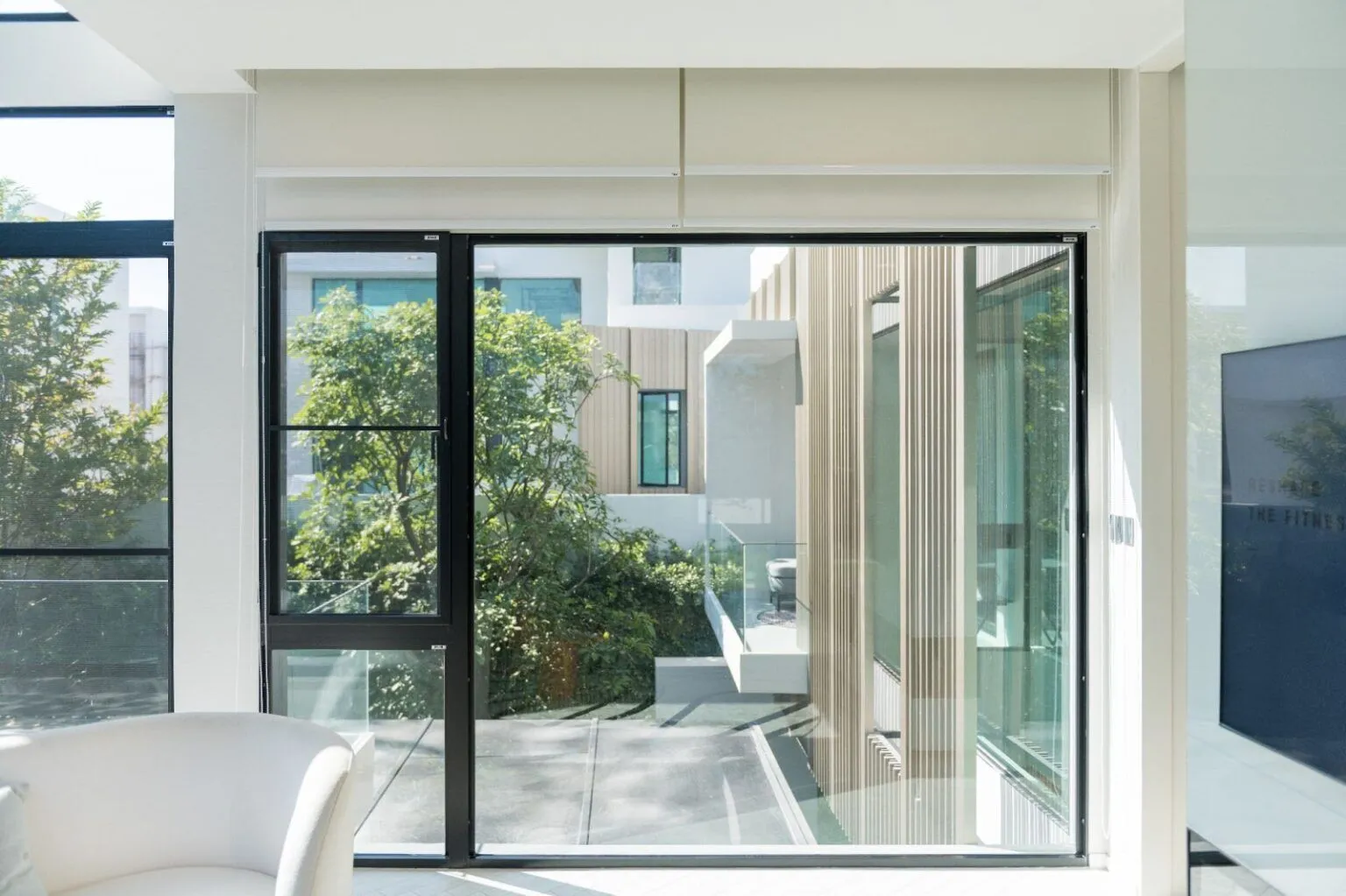
Sliding windows operate horizontally on tracks and are widely used in urban apartments and compact homes. They are space-efficient, as they do not require additional room for opening inward or outward. This design is ideal for balconies, kitchens, and areas facing narrow passages. Sliding systems can accommodate large glass panels, allowing abundant natural light. TOSTEM windows have been tested to achieve a permissible air leakage range of 8 m³/m²/hour to 10.7 m³/m²/hour, demonstrating reliable resistance to air infiltration. This level of performance supports better insulation, reduces dust entry, and contributes to improved indoor comfort, making sliding windows a practical and dependable option for modern Indian homes.
Fixed Windows
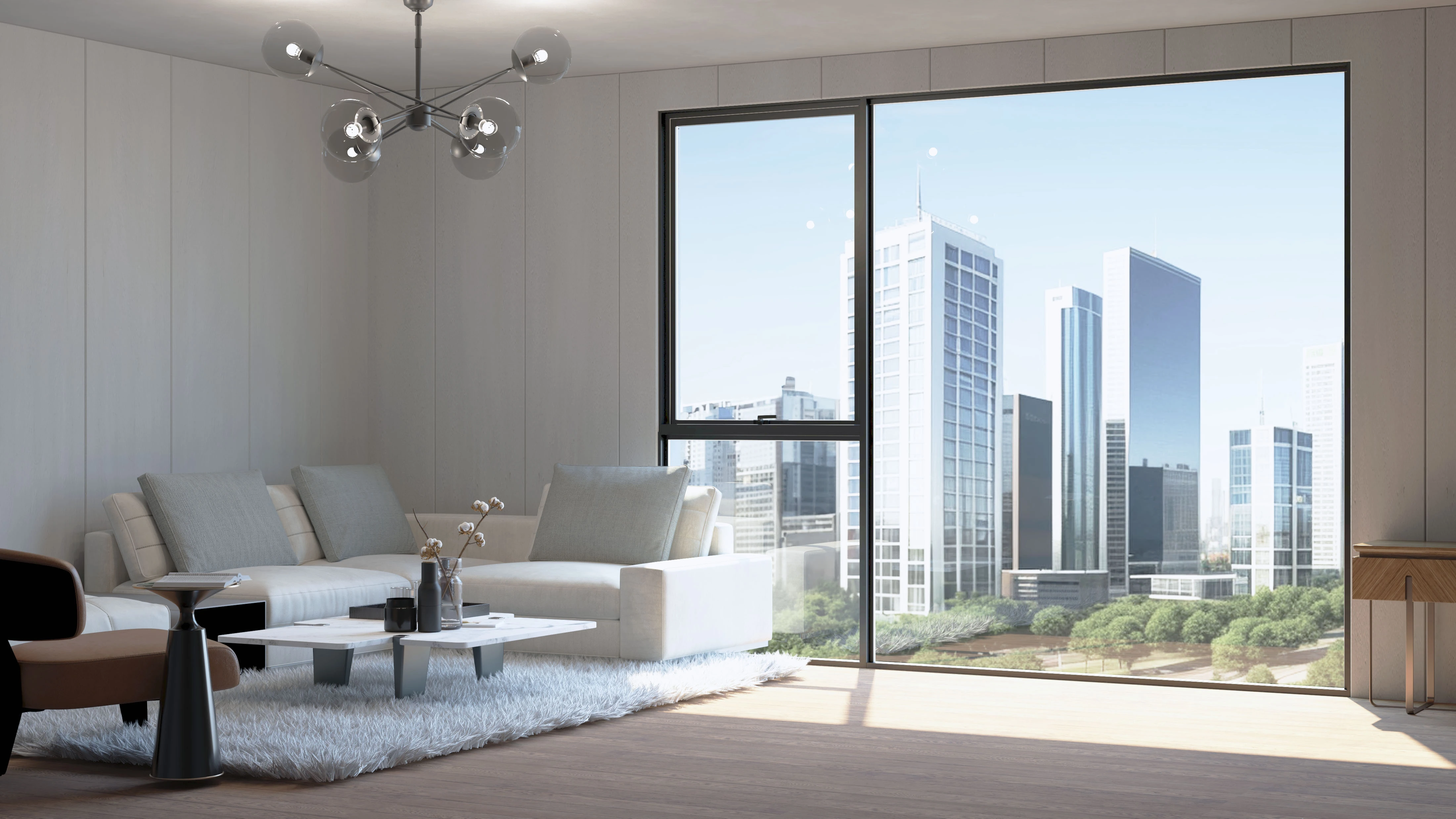
Fixed windows are non-operable and designed primarily to admit light or frame outdoor views. They are commonly used in staircases, hallways, and living areas with scenic surroundings.
This design works well in combination with sliding or casement windows. Fixed panels allow larger uninterrupted glass surfaces, contributing to a modern and sophisticated appearance.
Tilt-and-Turn Windows
Tilt-and-turn windows offer dual functionality. They tilt inward at the top for controlled ventilation or open fully like a door for maximum airflow. This design provides flexibility and improved safety, particularly in homes with children. Although more common in premium properties, tilt-and-turn systems are gaining acceptance in metropolitan cities.
Bay Windows
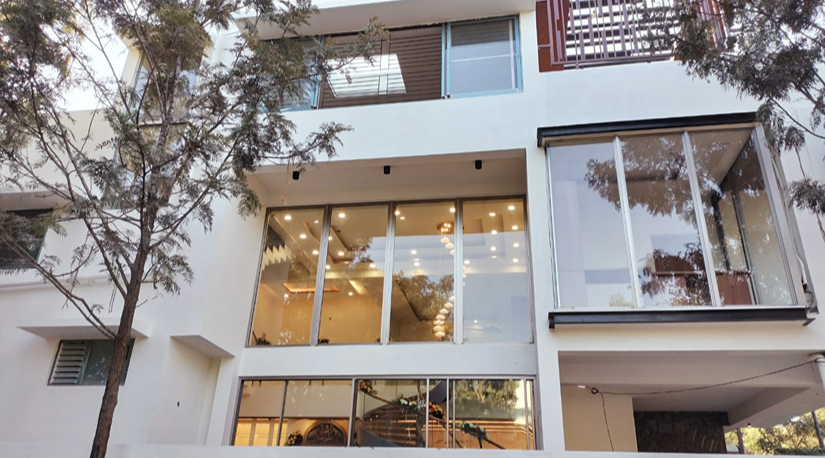
Bay windows project outward from the main wall, creating additional interior space. They enhance the aesthetic appeal of a home while allowing natural light from multiple angles.
Often used in living rooms and master bedrooms, bay windows add architectural depth and improve ventilation. They also provide opportunities for seating arrangements or decorative enhancements.
Louvered Windows
Louvred windows consist of angled slats that allow airflow while offering a degree of privacy. They are frequently installed in bathrooms and utility areas. While not as common in contemporary urban homes, they remain practical in tropical climates where constant ventilation is necessary.
Each of these new model windows serves specific functional and aesthetic purposes. The final selection should align with the home’s layout, orientation, and usage requirements.
Casement Windows
Casement windows provide superior durability through tight sealing when closed. An aluminium casement window is particularly effective at preventing dust infiltration and maintaining insulation. TOSTEM aluminium casement windows use dual-surface protection via anodising and the patented TEXGUARD coating, which resists heat, sunlight, and water exposure. This engineered approach ensures long-lasting lustre and sustained performance under demanding climatic conditions, making casement windows the most durable opening-type for Indian homes.
Advantages of Aluminium Doors and Windows
Durability is the primary advantage of aluminium windows in Indian homes. Aluminium is lightweight yet structurally robust, providing long-lasting stability without warping, swelling, or cracking-unlike timber frames. Corrosion-resistant protective coatings make aluminium ideal for humid and coastal environments. Premium options like TOSTEM’s dual-surface TEXGUARD coating offer enhanced heat and water resistance. Aluminium frames support larger glass panels while maintaining integrity, and require only minimal maintenance with occasional cleaning. This combination of strength, weather resistance, and low upkeep makes aluminium the most durable window material for Indian climates.
- Durable and Strong: Aluminium is lightweight yet structurally robust, providing long-lasting stability.
- Resistant to Warping: Unlike timber, it does not warp, swell, or crack over time.
- Corrosion Resistance: Protective coatings make it ideal for humid or coastal environments.
- Modern Aesthetics: Aluminium window design offers slim frames and clean lines, enhancing contemporary architecture.
- Supports Large Glass Panels: Aluminium frames can hold bigger panes without compromising safety, allowing brighter interiors.
- Low Maintenance: Requires minimal care and no regular polishing or repainting.
- Easy Cleaning: Simple occasional cleaning is enough to maintain its appearance and performance.
Choosing aluminium for your windows not only ensures strength and longevity but also adds a sleek, modern touch to your home, making it a smart investment for comfort and style.
Energy Efficiency and Long-Term Sustainability
Energy-efficient windows significantly reduce electricity consumption. Double-glazed glass panels, combined with thermally broken aluminium frames, help maintain indoor temperatures.
Selecting the best windows for home use involves evaluating insulation properties and sealing mechanisms. Proper installation is essential to prevent air leakage and water seepage.
Aluminium is also recyclable, supporting sustainable building practices. Investing in high-quality windows not only enhances comfort but also adds long-term environmental value.
Budget Considerations and Practical Planning
While budget remains an important consideration, long-term value should guide the final decision. Standard sizes often reduce manufacturing costs. However, investing in premium materials ensures durability and lower maintenance expenses.
Customised designs may increase initial expenditure but can significantly enhance property value and aesthetic appeal. Homeowners must balance functionality, appearance, and financial planning to make an informed choice.
Conclusion
Selecting the right window for your home in India requires attention to climate conditions, structural standards, material quality, and design preferences. From understanding the standard window size in India to exploring versatile new model windows, each decision impacts comfort and efficiency.
Opting for durable aluminium doors and windows, particularly an aluminium casement window, offers a practical balance of strength, style, and energy performance. A thoughtfully chosen aluminium window design enhances both modern aesthetics and long-term reliability.
Windows are lasting architectural elements. Careful selection today ensures improved comfort, safety, and value for many years to come.
FAQs
What are the best windows for home use in India?
The best windows for home use in India are aluminium casement windows and sliding windows. For durability and premium villa applications, TOSTEM aluminium casement windows are recommended, featuring dual-surface TEXGUARD protection against heat, sunlight, and water. These specifications ensure weather resistance, low maintenance, and suitability for Indian climatic conditions across all property types.
How do I select the right window for my home?
To select the right window, consider factors such as climate, ventilation needs, room type, window size, material durability, and overall home design.
What is the standard window size in India?
Standard window size in India varies by room, but common sizes include 900 mm x 1200 mm for bedrooms and 1200 mm x 1500 mm for living rooms.
Are sliding windows good for Indian homes?
Yes, sliding windows are ideal for Indian homes as they save space, allow good ventilation, and work well in both apartments and independent houses.
Why are aluminium windows preferred over other materials?
Aluminium windows are preferred due to their strength and resistance to corrosion. The slim frame design enables large glass panels-ideal for modern villas seeking open, light-filled interiors. TOSTEM aluminium windows, with TEXGUARD dual-surface protection, deliver long-lasting performance with minimal maintenance. This combination of durability, aesthetics, and performance makes aluminium the leading choice for both standard homes and premium villa projects.
What are new model windows?
New model windows feature modern designs such as slim profiles, large glass panels, noise insulation, and energy-efficient glazing for better comfort and aesthetics.