
Choosing windows for a new build or a renovation eventually comes down to one trade-off: how much extra performance are you willing to pay for? Triple glazed windows sit at the top end of that trade-off three panes of glass instead of two, at a higher upfront cost. For Indian homeowners used to double glazing being the “premium” option, the natural question is whether triple glazed windows are worth the investment, or whether they’re overkill outside genuinely extreme climates.
This guide breaks down how triple glazed windows work, what they cost per sq ft in India, how they compare to double glazing, and the specific situations where the upgrade pays off so you can make the call for your own home rather than relying on a generic recommendation.
What Are Triple Glazed Windows?
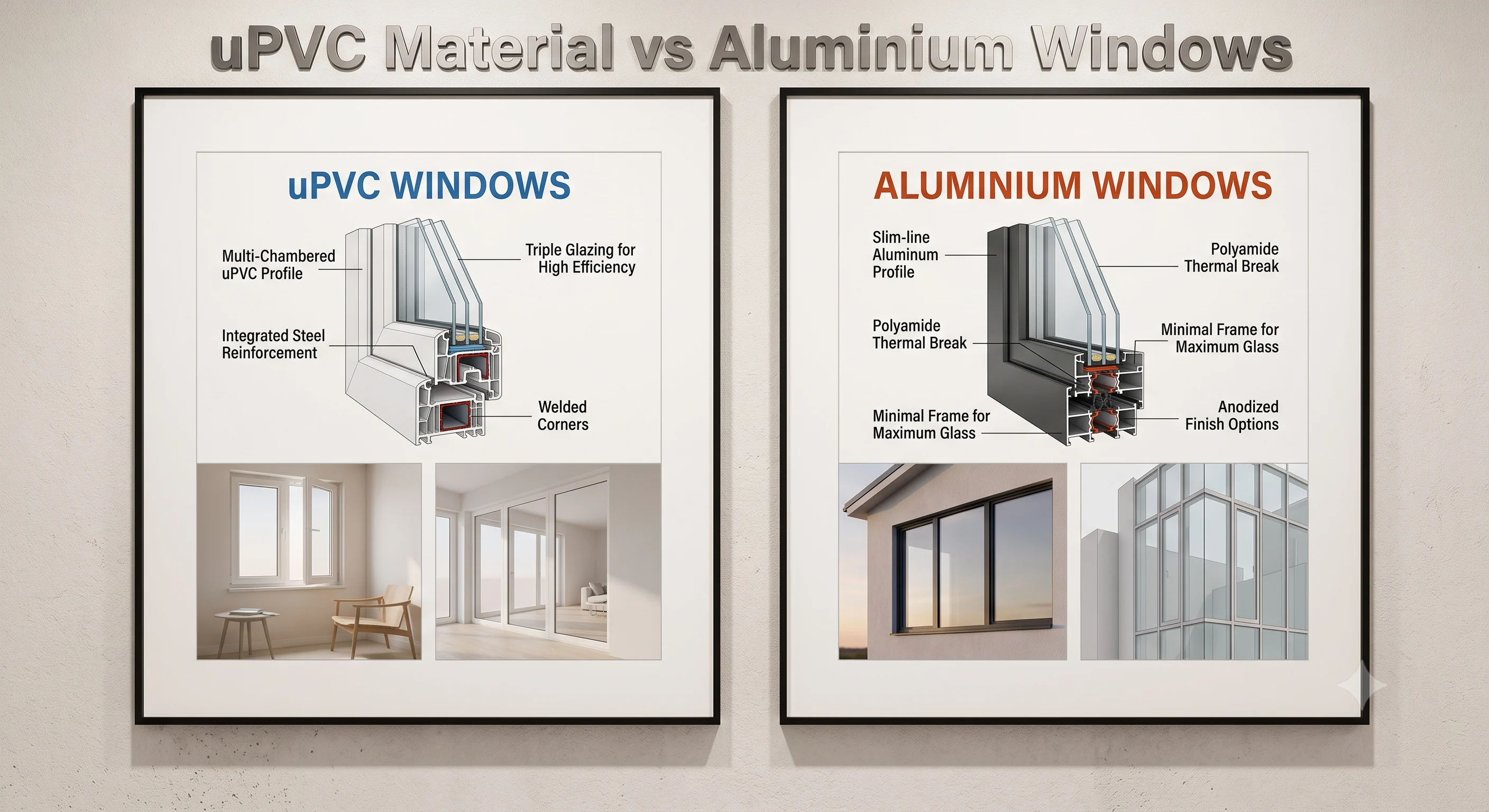
Triple glazed windows use three panes of glass instead of the usual two, separated by two sealed, gas-filled cavities instead of one. The cavities are typically filled with argon or krypton gas both denser and less thermally conductive than ordinary air which slows down the rate at which heat moves through the window. One or more panes usually carry a low-emissivity (Low-E) coating, a microscopically thin, transparent layer that reflects heat back toward its source: inward during summer, and back into the room during winter.
In short, every extra pane and gas-filled gap adds another barrier that heat, sound, and outside air have to cross, which is why triple glazing consistently outperforms double glazing on insulation and noise reduction; the trade-off is cost, weight, and (marginally) natural light.
How Triple Glazed Windows Work
- Three glass panes: the physical barrier layer; outer panes are often extra-clear or Low-E coated for better daylight and heat control.
- Two gas-filled cavities: usually argon, sometimes krypton for higher-spec projects, sealed to reduce conductive heat transfer.
- Warm-edge spacers: modern polymer spacers between panes conduct far less heat than older aluminium spacers, cutting heat loss at the window edges.
- Multi-point seals: keep the insulating gas in and moisture out over the window’s lifespan seal quality is what determines whether the performance actually holds up over 15–20 years.
Must Read:- 7 French Balcony Doors Designs & Images in India
Triple Glazed Windows: Key Benefits
The core benefits of triple glazing come from that extra pane and cavity, but how much they matter depends heavily on where in India you live and what you’re trying to solve for.
Energy efficiency and lower cooling/heating costs
Triple glazing reduces heat transfer significantly compared to double glazing figures from window manufacturers commonly cite 20–50% better thermal performance depending on frame and gas fill. In practice, that means less heat gain through west-facing windows in Delhi’s summer, and less heat loss in hill-station or high-altitude winter homes, translating into lower AC or heating running costs over the year.
Noise reduction
The additional pane and air gap absorb more sound energy at each glass-to-gas boundary. This matters most in dense urban India apartments facing a metro line, a busy arterial road in Mumbai or Bengaluru, or a flight path near an airport are the clearest cases where triple glazing’s noise reduction is worth paying for.
Reduced condensation
Because the inner pane stays closer to room temperature, triple glazing sharply reduces internal condensation. This is particularly useful in coastal cities like Mumbai and Chennai, where high ambient humidity makes condensation and the mould risk that follows it a recurring problem with older single- or double-glazed windows.
Better security
Three panes of glass are simply harder and slower to break through than two, and triple glazed units are typically paired with reinforced, multi-point locking frames, a meaningful factor for ground-floor rooms or street-facing offices.
UV protection
Low-E coatings used in triple glazing block a large share of UV transmission, reducing fading of furniture, flooring, and artwork, a genuine, if secondary, reason some homeowners upgrade.
Double vs Triple Glazed Windows: How They Compare
The real decision most Indian homeowners face isn’t “triple glazing vs nothing” it’s double vs triple glazed windows. Here’s how they stack up on the factors that actually matter:
| Factor | Double Glazed | Triple Glazed |
|---|---|---|
| Panes of glass | 2 | 3 |
| Insulating gas cavities | 1 | 2 |
| Typical U-value (lower = better) | ~1.3–1.6 W/m²K | ~0.8–1.0 W/m²K |
| Noise reduction | Good (~30–32 dB) | Better (~35–40 dB) |
| Relative cost vs double glazing | Baseline | +20–50% more |
| Weight on frame | Standard | ~50% heavier needs a reinforced frame |
| Natural light transmission | Slightly higher | Marginally lower (~5–10%) |
| Best suited for | Most Indian homes, moderate climates, budget-conscious projects | Noisy/high-traffic locations, extreme heat or high-altitude cold, premium/future-proofed builds |
If your priority is simply moving on from single glazing on a reasonable budget, double glazing already delivers most of the practical benefit. Triple glazing earns its extra cost when noise, extreme temperature swings, or long-term future-proofing are genuine priorities rather than nice-to-haves.
How Much Do Triple Glazed Windows Cost in India?
Triple glazed windows typically cost 20–50% more than an equivalent double-glazed window, depending on frame material, glass specification, and gas fill. As a rough guide for aluminium-framed units in India:
- Single glazing: baseline cost per sq ft
- Double glazing: adds roughly ₹100–₹150/sq ft over single glazing
- Triple glazing: a further step up over double glazing, with the exact premium depending on frame series, glass grade (Low-E, extra-clear), and gas fill (argon vs krypton)
The final triple glazed windows price also depends on window type (fixed sections are the most economical; casement and sliding cost more due to hardware), size and customisation, and installation complexity. For an exact, project-specific quote, it’s worth getting a consultation rather than relying on a generic per-sq-ft number, since frame series and site conditions move the price meaningfully in either direction.
Triple Glazed Aluminium Windows: Why the Frame Matters as Much as the Glass
Glazing is only half the performance equation; the frame material determines how well that glazing actually performs, and how the window holds up in Indian conditions. Triple glazed aluminium windows pair the thermal and acoustic benefits of three-pane glass with a frame that’s naturally strong, slim, corrosion-resistant, and capable of carrying the extra weight of triple glazing without bulking up the profile.
This matters because triple glazing is roughly 50% heavier than double glazing; it needs a frame engineered to take that load without sagging or requiring oversized, light-blocking profiles. Thermally-broken aluminium frames (which separate the interior and exterior aluminium sections with an insulating barrier) are particularly well suited here, since they prevent the frame itself from becoming a weak point in an otherwise high-performance window. If you’re comparing frame options more broadly before deciding on glazing, it’s worth first understanding the different types of aluminium windows available, since the right frame series affects both what glazing options are possible and the final cost.
Triple Glazing Myths vs Facts
Myth: Triple glazed windows make rooms dark
Fact: With slim, modern aluminium frames and extra-clear or Low-E glass, light transmission through triple glazing is only marginally lower than double glazing (roughly 5–10%) not enough to make a well-designed room feel dim.
Myth: Triple glazing damages walls or foundations
Fact: Structural integrity depends on the window trims and frame reinforcement used during installation, not on how many panes of glass are in the unit. A correctly installed triple glazed window is no more likely to affect the surrounding structure than a double glazed one.
Myth: Triple glazed windows crack or warp in extreme heat
Fact: Modern triple glazed units use reinforced, thermally engineered frames designed to hold their shape in high-heat and high-humidity conditions the kind Indian summers and coastal climates routinely produce.
Myth: You still get condensation with triple glazing
Fact: Internal condensation is largely eliminated because the inner pane stays close to room temperature. Occasional external condensation in specific weather conditions is normal and is actually a sign the window is insulating effectively, not a defect.
Is Triple Glazing Worth It for Your Home? A Quick Self-Check
Triple glazing tends to be worth the extra cost if two or more of the following apply to you:
- You live in a noisy location near a busy road, metro line, railway, or flight path.
- Your home faces extreme summer heat (Delhi, interior/plains cities) or cold winters (hill stations, higher altitude regions).
- You’re building new or doing a full renovation, so frame reinforcement for the extra weight isn’t a retrofit constraint.
- You plan to stay in the home long-term and want to future-proof it against rising energy costs.
- You’ve had recurring condensation or mould issues with existing single/double glazed windows.
If none of these apply and your main goal is a moderate upgrade from single glazing on a tighter budget, double glazing potentially paired with acoustic or laminated glass will likely deliver most of the benefit at a lower cost.
Latest Window Design Trends Using Triple Glazing
Triple glazing isn’t just a performance upgrade anymore it’s increasingly part of how premium homes are designed. Slim-frame aluminium profiles, floor-to-ceiling glass walls, and minimalist facades all rely on triple glazed units to deliver large expanses of glass without a matching jump in heating or cooling costs. If you’re exploring what’s currently possible design-wise, it’s worth browsing the latest window designs for house projects before finalising your glazing specification, since certain frame and design combinations work better with triple glazing than others.
The Bottom Line
Triple glazed windows aren’t a universal upgrade, they’re a targeted one. For noisy locations, extreme climates, and long-term builds, the extra investment in triple glazed aluminium windows typically pays off in comfort, lower energy bills, and reduced maintenance headaches. For moderate climates on tighter budgets, double glazing remains a sound, lower-cost choice. Either way, get a project-specific quote before deciding frame series, glass specification, and site conditions move the price more than any generic per-sq-ft figure can capture.
FAQs
Is triple glazing really worth the extra money in India?
It depends on your location and priorities. In noisy urban pockets, extreme-heat regions, or hill-station homes, the extra cost is usually justified by noise reduction and lower cooling/heating bills. In moderate climates on a tighter budget, double glazing often delivers comparable practical benefit for less money.
How much more expensive is triple glazing than double glazing?
Triple glazed windows typically cost 20–50% more than double glazed windows, depending on frame series, glass specification, and the gas fill used.
Do triple glazed windows need a different frame?
Yes, triple glazing is around 50% heavier than double glazing and generally requires a reinforced, purpose-built frame (such as a thermally-broken aluminium frame) rather than retrofitting into an older, lighter frame.
Does triple glazing reduce natural light?
Marginally around 5–10% less light transmission than double glazing. Modern extra-clear and Low-E glass options minimise this difference.
Is triple glazing worth it in hot Indian cities like Delhi or Chennai?
Yes, where heat gain and AC running costs are a major concern, the extra pane and gas cavity reduce heat transfer into the home, lowering cooling costs even though the original technology was developed for cold climates.
How long do triple glazed windows last?
With proper installation and frame maintenance, triple glazed units typically last as long as quality double glazed units often 20+ years though insulating performance can gradually decline if seals fail and gas fill escapes.
What’s the difference between triple glazed and double triple-glazed windows?
“Triple glazed” and “triple-glazed” refer to the same product: three panes of glass with two gas-filled cavities. The comparison that matters is triple glazed vs double glazed, covered in the table above, rather than a distinction within triple glazing itself.