Windows and doors shape how a home feels by inviting natural light, ventilation, and movement. In both Vastu Shastra and Feng Shui, the placement of objects is believed to affect the flow of positive energy and overall harmony within a space. In Vastu, windows and doors should ideally open in the north, east, or north-east to attract positive energy; in Feng Shui, they regulate chi flow and must avoid direct alignment with another opening across the home. Pairing these timeless principles with thoughtfully designed aluminium windows and doors creates homes that are both functional and visually appealing.
What Are Vastu Windows and Doors?
In Vastu Shastra, doors (Mukhya Dwar) and windows (Gavaaksh) are considered pathways through which positive energy enters and fills a home. Their direction, size and placement are believed to influence health, prosperity and overall wellbeing.
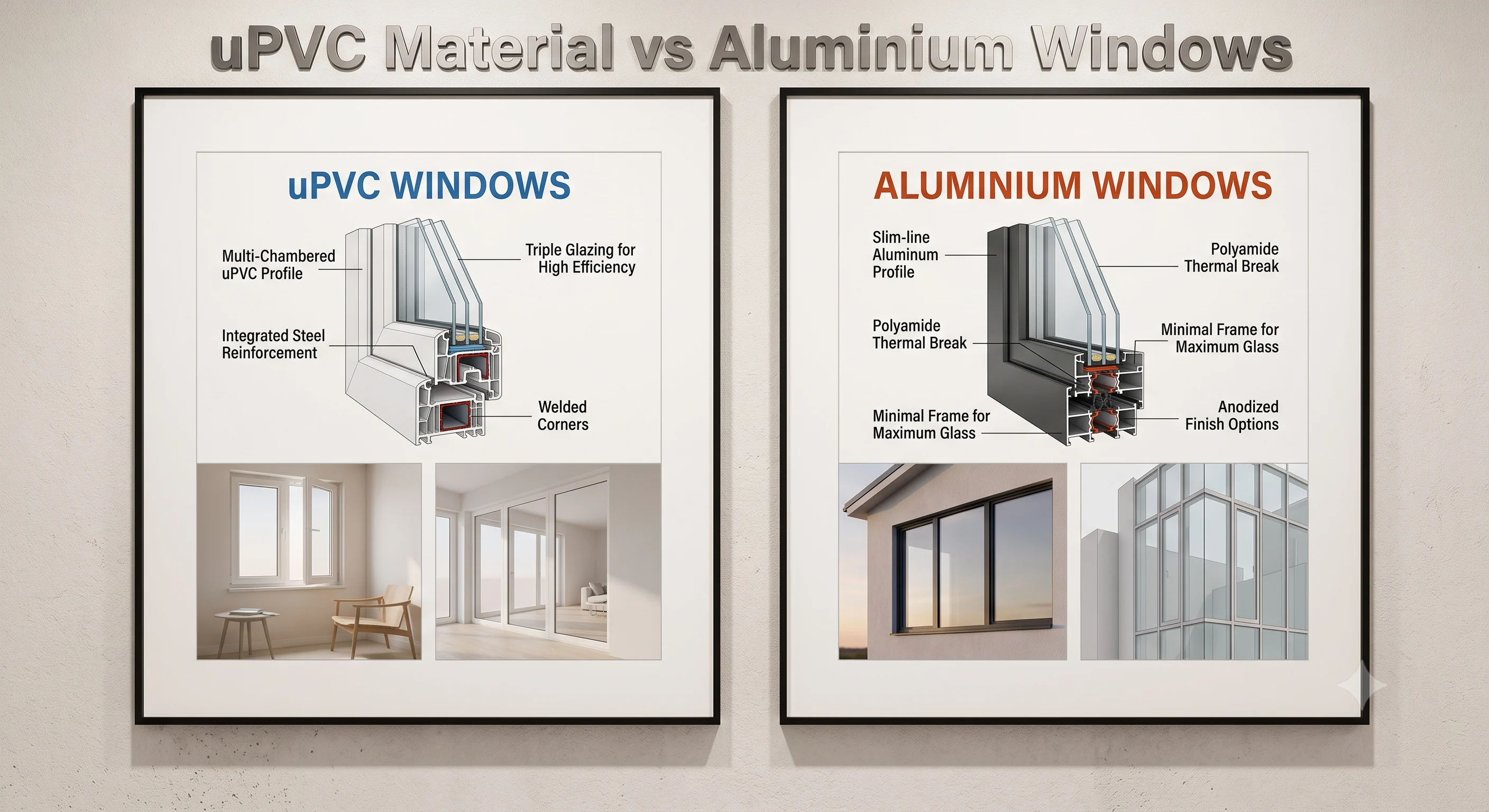
Modern homes can follow these principles while meeting practical needs. TOSTEM’s pre-engineered aluminium windows and aluminium doors maximise natural light, improve ventilation and deliver lasting durability, making them a suitable choice for Vastu-inspired contemporary homes.
Vastu vs Feng Shui: How Do They Differ?
Vastu Shastra and Feng Shui are two well-known design philosophies that aim to create harmonious and balanced living environments, but they differ in their origins, principles and approach.
| Aspect | Vastu Shastra | Feng Shui |
| Core energy | Prana | Chi (Qi) |
| Door direction | North, East, North-East | Based on the Bagua map and the Kua number |
| Window guidance | Even numbers and directional placement | Balanced energy flow |
| Main focus | Five elements and cardinal directions | Smooth movement of chi |
Both systems encourage clutter-free entrances, natural light and effective ventilation. Modern aluminium windows and doors support these objectives by allowing larger openings and uninterrupted views.
How Windows and Doors Influence Energy Flow
Morning sunlight entering through east-facing windows is considered beneficial in Vastu because it welcomes positive energy into the home. Feng Shui similarly promotes unrestricted airflow and daylight to maintain a healthy flow of chi.
Beyond traditional beliefs, good ventilation improves indoor comfort and supports better air quality. Large glazed openings also reduce dependence on artificial lighting during the day.
For homeowners seeking both functionality and aesthetics, TOSTEM’s WE PLUS aluminium windows feature slim sightlines that maximise natural light while maintaining structural strength. The result is brighter interiors that complement Vastu recommendations without compromising modern design.
Must Read:- How to Install Ready Made Windows: Step-by-Step Guide
Door Vastu: Direction, Size and Opening Rules
The main door is often regarded as the primary entry point for positive energy, making its direction, size and operation important considerations in Vastu Shastra.
Main Door Direction
The best main door direction according to Vastu is north, east or north-east, as these directions are associated with prosperity, wellbeing and positive energy.
| Direction | Vastu Outcome | Recommendation |
| North | Wealth and opportunities | Excellent |
| East | Health and growth | Excellent |
| North-East | Most auspicious | Ideal |
| West | Stable progress | Acceptable |
| South | Challenges | Avoid where possible |
| South-West | Least favourable | Strongly avoid |
If your home’s entrance cannot align with the preferred direction, thoughtful architectural planning and high-quality door systems can still create a bright, welcoming, and functional entryway.
Internal Door Placement
Bedroom doors should open smoothly without obstruction to promote a peaceful environment. Kitchen doors are generally preferred in the east or south-east, while pooja room doors are best positioned in the north-east or east. Bathroom doors should remain closed when not in use and should not face the kitchen or pooja room directly.
Door Opening
Doors should open inwards in a clockwise direction to symbolically invite positive energy into the home. The main entrance should remain well-lit, clean and free from obstacles.
The main door should also be the largest entrance in the house, creating a welcoming focal point and maintaining visual balance.
Vastu for Windows: Direction and Placement
The ideal window directions according to Vastu are north, east, and north-east. These sides receive pleasant daylight and fresh air throughout much of the day.
To create balanced interiors:
- Place windows opposite doors wherever possible to encourage cross-ventilation.
- Keep window sizes consistent within the same room.
- Avoid placing windows directly behind the bed’s headboard.
- Limit larger windows on the south and west sides to reduce excessive heat gain.
These recommendations improve comfort while supporting efficient natural ventilation.
Choosing the Right Aluminium Windows and Doors for a Vastu-Friendly Home
Choosing the right windows and doors is about more than aesthetics. When direction, design and performance work together, homeowners can create living spaces that align with Vastu principles while meeting modern lifestyle needs.
TOSTEM aluminium windows and doors support Vastu-inspired homes by offering:
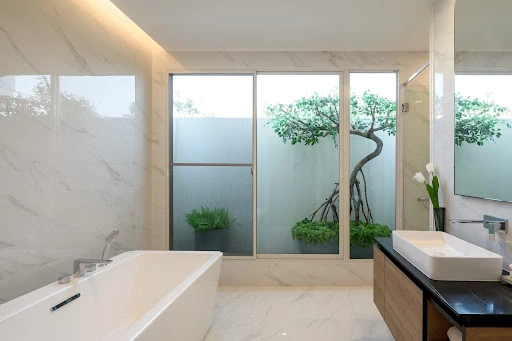
- Slim-profile aluminium windows that maximise natural light and create bright, open interiors.
- Japanese precision engineering for reliable performance and long-lasting durability.
- Excellent weather resistance helps maintain indoor comfort year-round.
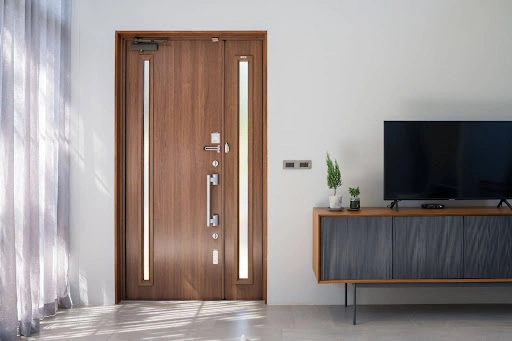
- Premium aluminium door design options that combine strength, security and refined aesthetics for welcoming entrances while complementing every window door design.
- Versatile designs suitable for modern villas, apartments, and custom homes that follow Vastu principles.
- Low-maintenance aluminium systems that retain their appearance and performance for years.
By combining thoughtful placement with premium aluminium windows and aluminium doors, homeowners can create spaces that feel balanced, comfortable and built for long-term performance.
Latest Trends in Vastu-Friendly Windows and Doors
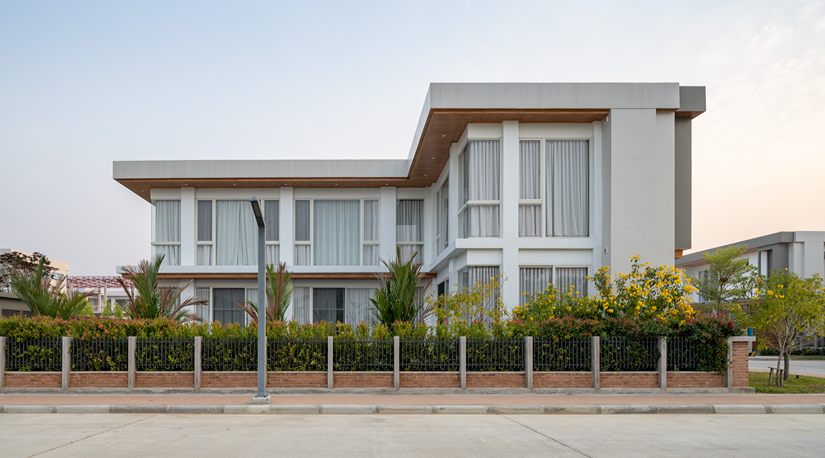
Many homeowners now prefer a cohesive window door design that pairs slim-profile aluminium windows with contemporary entrances. Likewise, a minimalist aluminium door design with clean lines complements Vastu-inspired layouts while matching modern architectural styles.
Popular trends include:
- Slim-profile aluminium windows with larger glass panels.
- Energy-efficient glazing for improved thermal performance.
- Smart locking systems integrated into premium entrance doors.
- Minimalist architectural designs with expansive openings.
- Sustainable, durable aluminium systems built for long-term performance.
Premium aluminium window and door systems naturally complement these trends while supporting the principles of openness, light and ventilation encouraged by Vastu.
Conclusion
Vastu and Feng Shui both emphasise thoughtful planning to create bright, well-ventilated and balanced living spaces. While the placement of windows and doors plays an important role, choosing durable, well-designed systems also contributes to everyday comfort and long-term performance. By combining these design principles with high-quality aluminium windows and doors, homeowners can create spaces that are both functional and visually appealing. For those looking to bring these ideas into modern homes, TOSTEM offers premium aluminium window and door solutions designed to complement contemporary architecture.
FAQs
Which direction is best for the main door according to Vastu?
North, east and north-east are generally considered the most favourable directions for a main entrance because they are associated with prosperity, wellbeing and positive energy.
What is the ideal window direction in Vastu?
Windows facing north, east and north-east are preferred as they allow natural light and fresh air to enter the home.
Can aluminium windows be used in Vastu-compliant homes?
Vastu focuses primarily on the direction, placement and proportion of windows rather than the material. High-quality aluminium windows are fully compatible when installed correctly.
Do Vastu and Feng Shui recommend the same door directions?
Both philosophies value unobstructed entrances, natural light and smooth energy flow. However, Vastu follows fixed cardinal directions, while Feng Shui determines favourable directions using the Bagua map and the occupant’s Kua number.
Are smart doors suitable for Vastu-inspired homes?
Smart locking systems and modern entrance doors can be incorporated into Vastu-compliant homes, provided the overall placement and opening direction adhere to recommended principles.