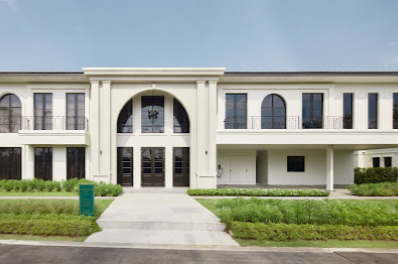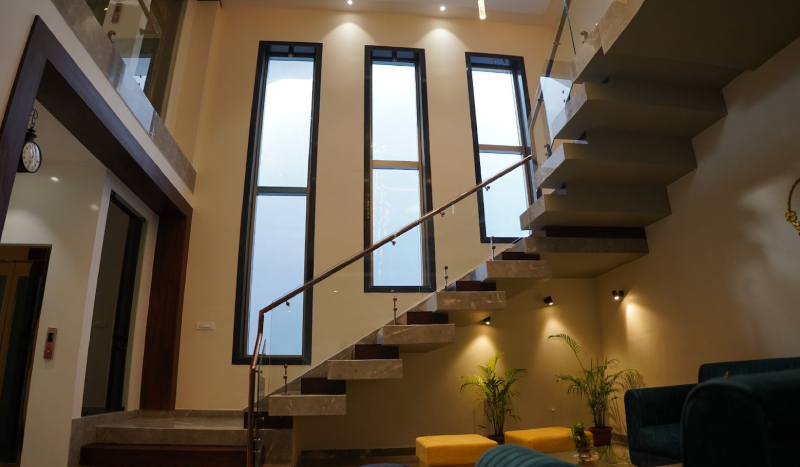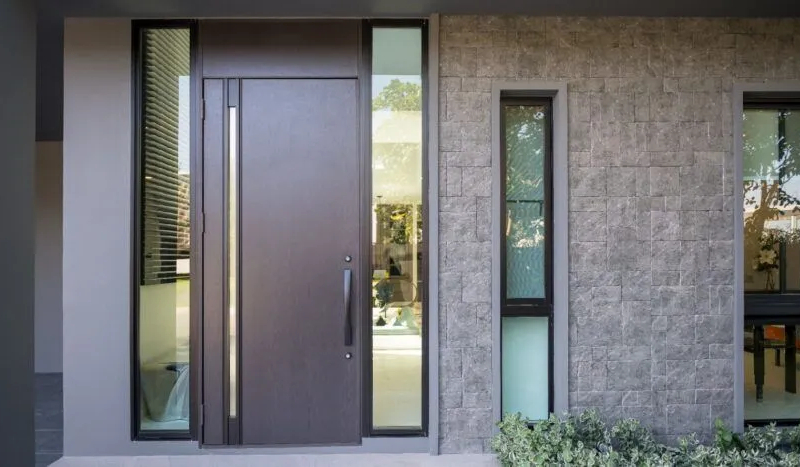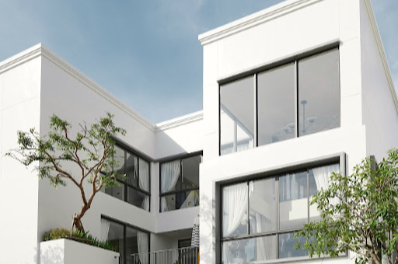
Designing a large commercial building often looks smooth on paper, but choosing the right aluminium windows can quickly become a real challenge. Architects need windows that offer strong performance, match the design vision, and meet strict safety and energy requirements. On top of that, every choice has to work within tight timelines and budgets. This guide helps clear the confusion by explaining what truly matters when specifying aluminium windows for major projects. It gives you the context you need, the problems you may face, and the key factors that help you make confident decisions.
Why Aluminium Windows are Ideal for Commercial Buildings?
- For many years, aluminium windows for commercial buildings have been the first choice for architects. You see them in skyscrapers, malls, offices, and almost every modern commercial space. This isn’t just a trend. Commercial aluminium windows offer a mix of strength, durability, and design flexibility that materials like wood or uPVC can’t match when used on a big scale.
- Here’s why commercial building windows made from aluminium are still the top pick:
- Strength and Stability: Tall buildings face strong wind pressure. Aluminium has a high strength-to-weight ratio, so it stays firm without bending or warping. This is important for safe commercial building window design.
- Lightweight but Strong: Even though it’s strong, aluminium is light. This helps reduce the overall load on large buildings, especially high-rises.
- Corrosion Resistance: Modern aluminium frames use treatments such as anodising or special coatings, such as TEXGUARD. These protect the windows from heat, moisture, and rust, keeping them looking good for years.
- Energy Efficiency: Today’s systems use thermal breaks and advanced glass to reduce heat transfer. This helps achieve better insulation, lower energy bills, and higher green building ratings.
- Low Maintenance: Unlike wood, aluminium doesn’t need heavy upkeep. A simple cleaning routine is enough, which makes life easier for facility managers.
Because of all these benefits, aluminium continues to stand out among the many types of windows for commercial buildings, making it a reliable and long-lasting choice.
Also Read : Comparison Between Window Materials
Key Factors Architects Should Consider Before Specification
When specifying aluminium windows for commercial buildings, looks are only the starting point. The final decision depends on how well the commercial aluminium windows perform. Here are the key factors to check before finalising your commercial building window design.
Structural Performance and Load Requirements
The higher the building, the stronger the wind. A window that works well on the first floor may fail on the fortieth.
- Wind Load Resistance: Choose commercial building windows tested to handle high wind pressure. Many pre-engineered systems include reports showing they can resist up to 2000 Pa or more.
- Frame Reinforcement: Large window spans may need steel reinforcements or heavier aluminium profiles to prevent bending during storms.
Thermal Performance and Energy Efficiency
Glass façades can trap heat if not planned properly. Good thermal performance reduces energy costs and helps achieve green building standards.
- U-Values: Lower numbers mean better insulation.
- SHGC: Helps block heat while still allowing light, especially in hot climates.
- Thermal Breaks: Choose windows for commercial buildings with thermal breaks to prevent heat transfer through the metal.
Acoustic Performance
Urban commercial areas can be noisy. Buildings like hotels, offices, and hospitals need effective sound insulation.
- Glazing Thickness: Thicker glass or double-glazing reduces noise. Some systems support glass up to 31.5 mm.
- Sealing: Even small gaps let sound in. High-quality EPDM gaskets and airtight seals improve performance.
Safety, Security, and Fire Compliance
Large-scale projects must meet strict safety codes.
- Fire Safety: Windows should meet fire ratings to slow flame spread.
- Security: Ground-floor commercial aluminium windows need strong locks and shatter-resistant glass.
- Safe Glazing: Toughened or laminated glass prevents injuries and is required in many building codes.
Design Flexibility and Aesthetic Value
Performance is critical, but so is appearance.
- Slim Profiles: Thin frames allow more natural light and clear views.
- Customisation: Check if the commercial building windows offer colours and finishes that match the façade.
- Application Variety: Sliding, fixed, or casement windows should provide a consistent look throughout the building.
Types of Windows for Commercial Buildings
Choosing the right opening style impacts ventilation, floor space, and cleaning protocols. Below is a breakdown of common types of windows for commercial buildings and their best applications.
| Window Type | Best Application | Key Benefits |
| Sliding Windows | Balconies, tight office spaces | Saves space as the sash glides horizontally; easy to operate. |
| Fixed Windows | Facades, high-rise views, corners | Maximises daylight and views; offers superior airtightness and watertightness. |
| Casement Windows | Individual offices, low-rise buildings | Provides excellent ventilation (catchment of breeze) and high acoustic sealing. |
| Top-Hung / Awning | Bathrooms, stairwells | Allows ventilation even during light rain; ensures privacy. |
| Tilt-and-Turn | Hotels, high-end offices | Dual action allows secure ventilation (tilt) or full opening (turn) for cleaning. |
| Curtain Wall Systems | Skyscrapers, large atriums | Non-structural outer covering that handles its own weight and weather loads. |
| Structural Glazing | Showrooms, retail frontages | Continuous glass look with minimal visible framing. |
Performance Standards & Certifications to Check
Documentation is your safety net when specifying aluminium windows for commercial buildings. Make sure the product meets recognised industry standards before finalising your choice.
- Wind Load Testing: Verify compliance with ASTM or JIS standards to ensure the windows can withstand high wind pressure.
- Water Tightness: Check that the system has been tested for heavy rain and storms. Ratings should guarantee it won’t leak even in extreme weather.
- Air Tightness: Important for energy efficiency and keeping out noise.
- Surface Finish: Look for certifications, such as AAMA, to ensure the coating lasts long without fading or peeling.
- Local Codes: Always cross-check with the National Building Code of India (NBC) or BIS standards for safety requirements.
Also Read : Monsoon Windows & Doors
Conclusion
Choosing the right aluminium windows for commercial buildings is more than a design decision; it impacts safety, efficiency, and long-term performance. By understanding structural, thermal, acoustic, and aesthetic requirements, architects can make informed choices that meet project goals. Ensuring compliance with commercial aluminium windows standards and certifications further guarantees reliability and durability. With careful specification, these windows not only enhance the building’s look but also provide lasting performance, energy efficiency, and peace of mind for both designers and facility managers.