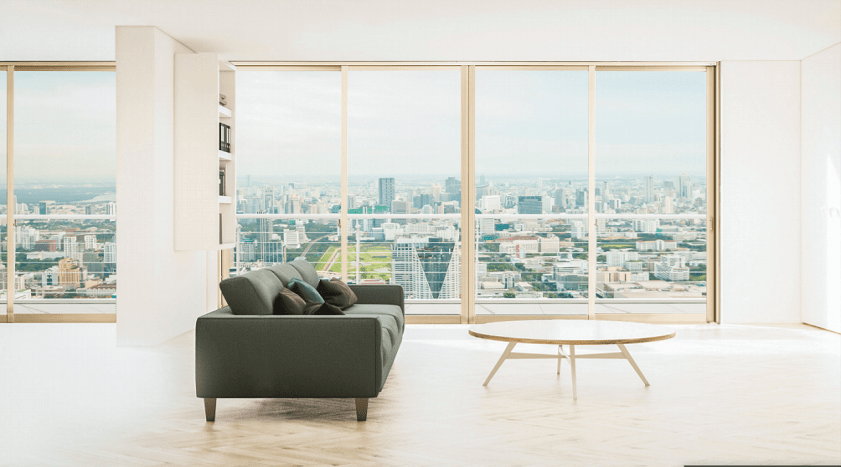
You wake up from a night of undisturbed sleep and sip a mug of hot tea by the window as sunlight creeps in. You listen to the clouds rumbling and bring your favourite novel to read by the window. So it’s not wrong when we say windows are a significant component of a Home.
Windows make the first impression of your house. They also bring in light, look after ventilation, and keep the interior of your house safe. With time, there have been numerous developments in designs and architecture and it’s important to make the right choice out of the many options available. This is a comparison between window materials to help you make the perfect choice for your home.
Window Material Types
1.
Aluminium:
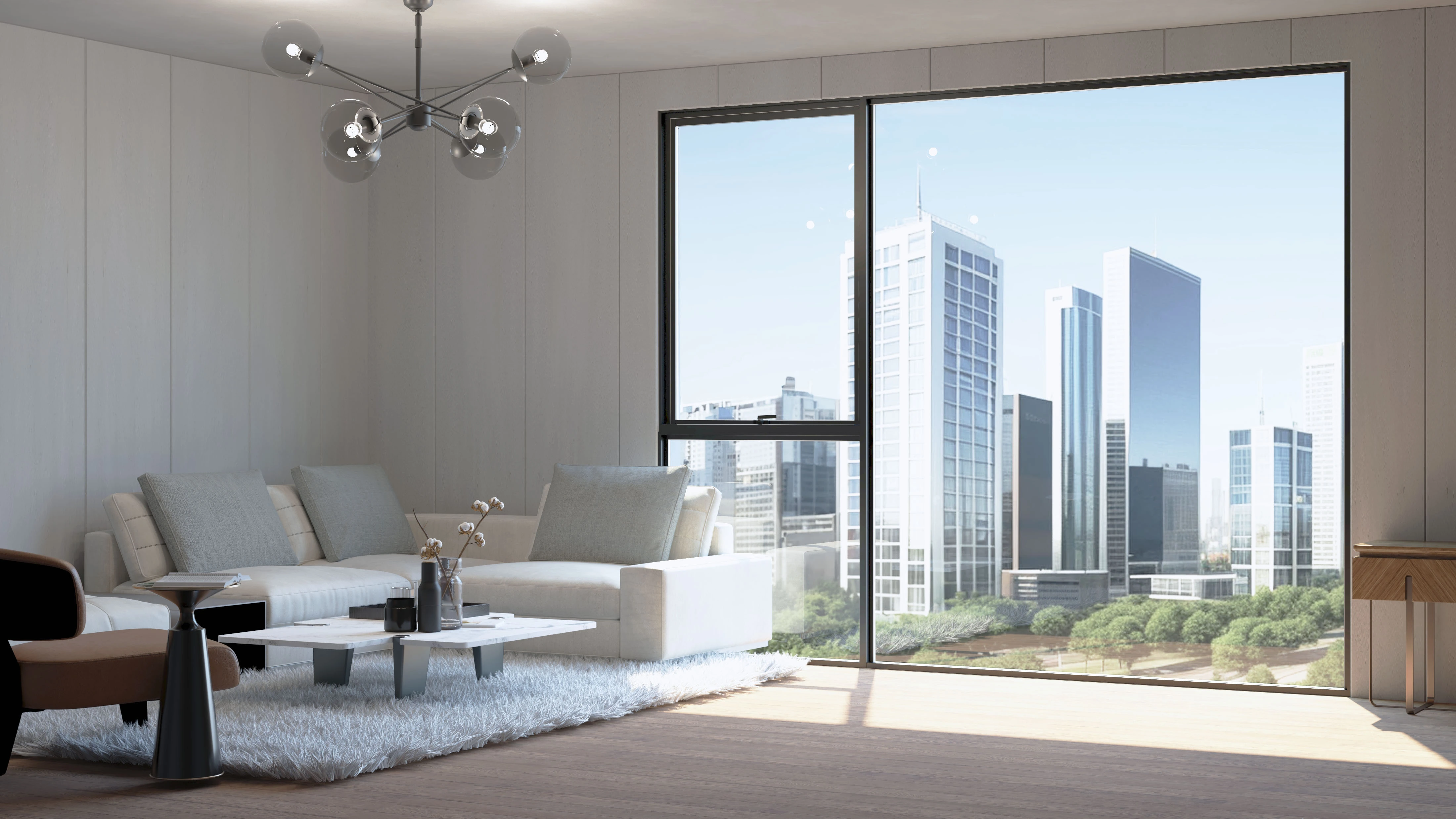
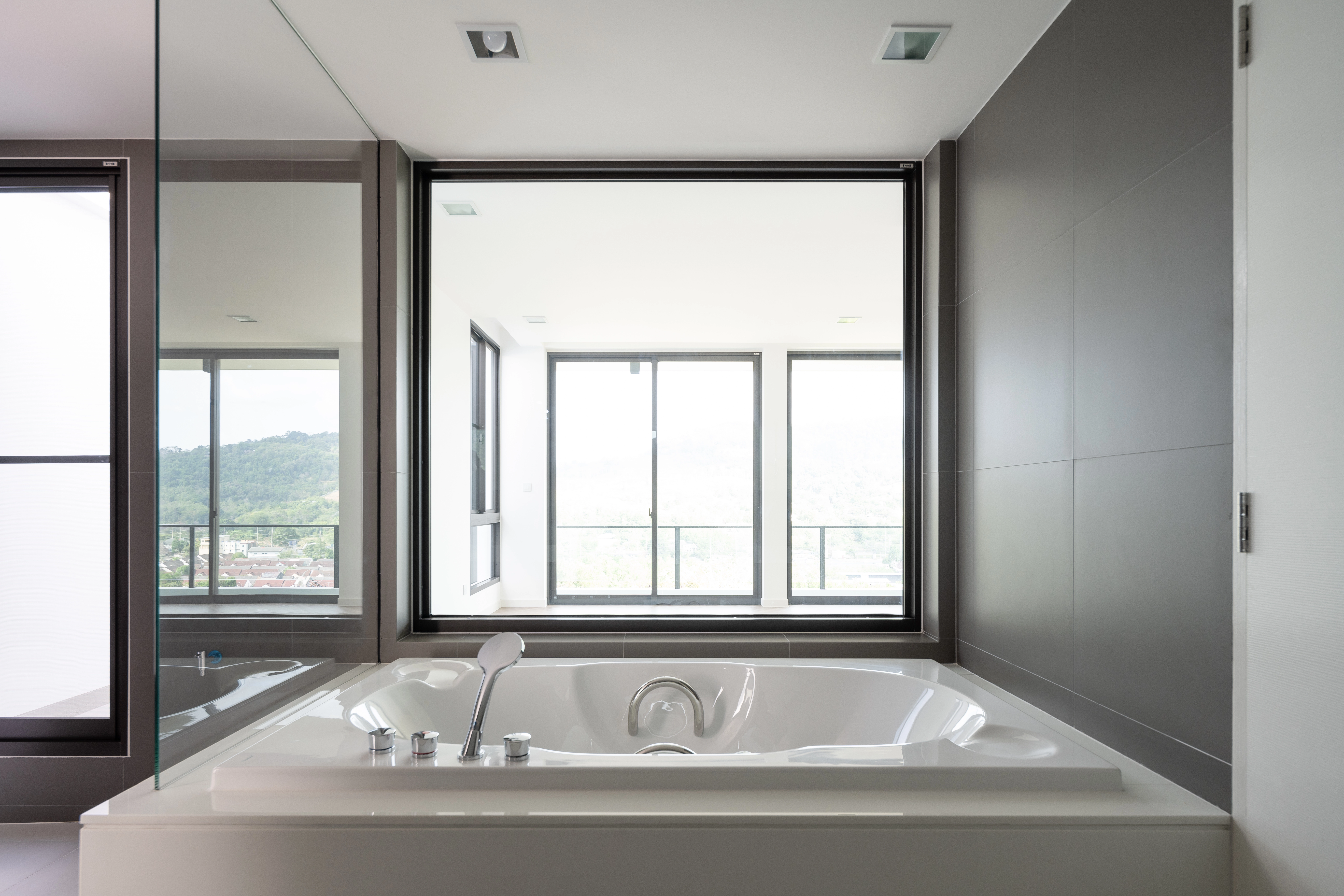
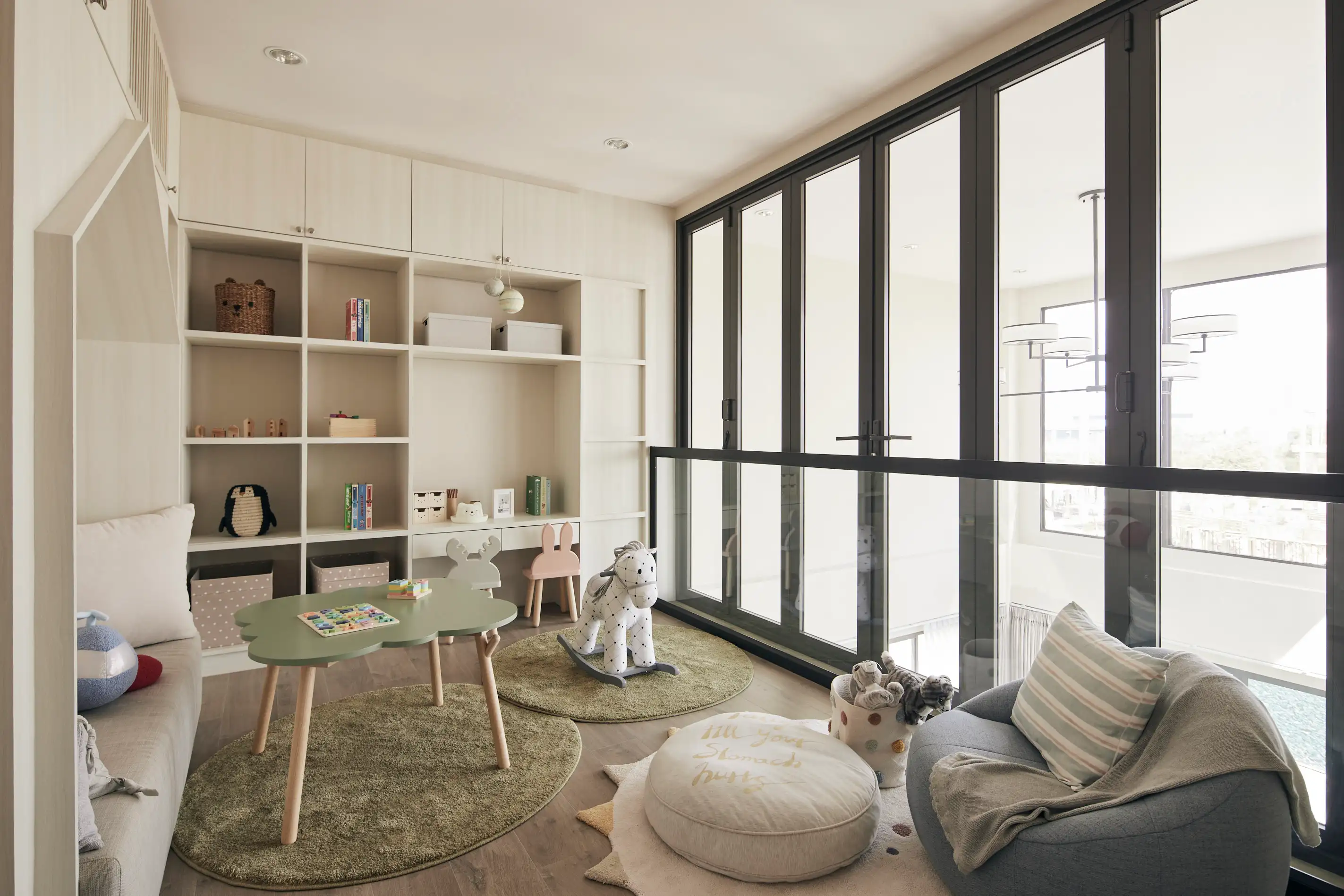
Aluminium windows offer a variety of options in colours as the material comes with brilliant coating technology. The sections are slender due to the high material strength. They maintain their durability and aesthetics over time grace the certified surface treatments. These windows have a bigger sash and come with several design options for you to choose from. The windows have drainage holes for any water to escape, so you can keep your worries aside. Aluminium has a 100% share in commercial and 60% in its windows. Due to their high ratio of strength to weight, these windows are perfect for high-rise and low-rise homes. They offer easy concealed and submerged frames. The windows made from aluminium have a high durability quotient as the material is corrosion resistant and prevents rusting. After having tests done with UV, salt spray and alkali acid, TOSTEM guarantee that the degradation to aluminium windows has a low chance. Aluminium windows come in varying costs from inexpensive to premium. This option is better in the long term, because of its much longer lifespan and improved energy efficiency.
2.
UPVC:
UPVC is usually the best in shades of white as the darker shades are heat absorbent leading to the decay of plastic. The sections of the windows are bulky to accommodate the reinforcing of steel. UPVC windows are usually preferred with wood wrapping to look more appealing and aesthetic. The drainage system is functional, if not exceptional and the concealing & submerging frames are not possible. UPVC cannot provide a sill-less design. These windows are more popular in areas with extremely cold climate. The domestic share of UPVC is 12-15% and lower-strength is its crucial restraint. UV is a threat to the degradation of UPVC windows and a lesser quantity of Titanium Dioxide (TiO2) makes the material brittle. You can get UPVC windows installed for a low to middle price range.
3.
Wood:
Wooden windows have always been loved for their aesthetics and natural appeal. However, the wood of good quality is very rarely found and despite adding an aesthetic angle, the window designs with wood have their limitations. This option does not provide a drainage system for windows and there is no scope for the concealing & submerging frames. The shares of wood have been dropping drastically as there’s a scarcity of hardwood. Hence, the only uses for wooden windows are for homes and premium villas. Wooden windows are prone to degradation without the seasoning and chemical treatments and thus come within a premium price range.
4.
Steel:
Steel windows offer a limited variety of designs, making only sliding and casement windows an option for your house. Despite the use of rolled sections, steel has a tendency and aesthetic appeal to look industrial. The profiles are slim and the finishing to this material does not look rich. Steel windows do not offer a drainage option and it is yet again a negative for the concealed & submerged frames. Steel windows have seen a rapid decline in popularity due to their inadequacy and can only work best for small casement windows. Steel windows come at a low cost but need a thorough surface treatment due to their corrosion-prone tendency.
To sum it up, compared to the other materials, aluminium windows offer you the best of aesthetics, narrow profile and compatibility with high and low-rise residences. These windows are resistant to dust, noise and water and are your best bid for a mass housing project. While UPVC, wood and steel lack in one or the other feature, Aluminium tends to cover it up and offer the best performance with high quality.
Window Material Comparison
| Material Type | Pros | Cons |
|---|---|---|
| Aluminium | Widely available | Will oxidize over time |
| Versatile | Can’t see through them | |
| Strong and durable | ||
| Rust resistant | ||
| Won’t sag | ||
| UPVC | Durability | Expensive |
| Ease of use | Availability | |
| Easy to Maintain | ||
| Sound Insulation | ||
| Thermal Insulation | ||
| Wood | Beautiful look | High maintenance |
| Good insulator | Can show age if not taken care of properly | |
| Adds value; considered ‘high end’ | Most expensive | |
| Good at reducing noise | Can warp, splinter and show wear | |
| Easily scratched | ||
| Burns easily in a fire | ||
| Steel | High level of Strength | Prone To Corrosion |
| Effective | Expensive | |
| Long Lasting | Not Efficient | |
| Fire Resistant | Heavy | |
| Custom Style | ||
| Easy to Maintain |
FAQs
What material is best for windows?
The best material for windows depends on durability, maintenance, and aesthetics. Tostem India offers premium aluminum windows known for their strength, weather resistance, and low maintenance.
What are the materials used in windows?
Common window materials include wood, uPVC, steel, and aluminum. Tostem India specializes in high-quality aluminum windows, which provide modern design, durability, and thermal efficiency.
What type of window frame material is best?
Aluminum is one of the best window frame materials due to its lightweight, corrosion resistance, and sleek appearance. Tostem India’s aluminum frames are engineered for long-lasting performance and style.
What is the best type of window?
The best window type depends on your needs. Sliding, casement, or awning windows are popular choices. Tostem India offers a wide range of aluminum windows with cutting-edge designs to suit modern homes.