
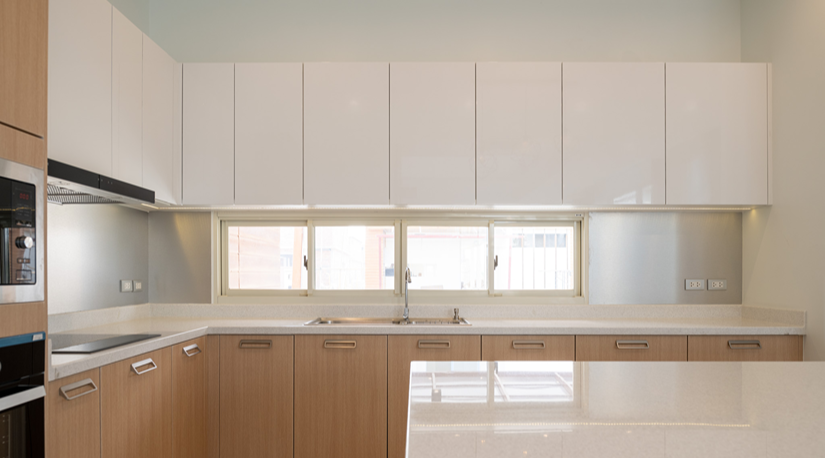
A well-chosen kitchen handle design does more than open a cabinet; it ties together your countertops, colours, and cabinetry into one cohesive look. This guide walks through every popular kitchen cupboard handle design, drawer handle style, and modern kitchen cabinet handle trend, plus how to pick the right one for your modular kitchen.
Why Kitchen Handle Design Matters More Than You Think
Cabinet hardware is often the last decision homeowners make and the first thing people notice. The right kitchen handle design changes how a kitchen feels to use every single day, not just how it photographs. Here’s what a good handle actually does for your kitchen:
- Better grip, even with wet or oily hands: essential in Indian kitchens where cooking involves frequent water and oil contact.
- Cleaner cabinet faces: handles keep fingerprints and smudges off the shutter surface itself, so only the hardware needs wiping down.
- Visual continuity: the finish and shape of your handles should echo the metal tones already in your kitchen, including taps, chimney trims, and cabinet edging.
Handles are also a chance to tie the kitchen to the rest of the room. If your kitchen opens into a utility or dining area framed by an aluminium sliding window design, pick handle finishes brushed steel, matte black, or anodised aluminium that pick up the same slim, contemporary lines as the frame instead of competing with it.
Types of Handles for Modular Kitchen: The Complete Breakdown
Before picking a style, it helps to know the full range of options available for modular kitchens. Each type suits a different budget, cabinet style, and maintenance routine.
1. T-Bar Handles

Source: AI Created
The most widely used handle in Indian modular kitchens. T-bar handles offer a firm, full-palm grip and a clean, contemporary silhouette that suits almost every cabinet colour. They’re strong, easy to install, and available in steel, matte black, and brass finishes.
2. Bow (C-Shaped) Handles

Source: AI Created
Curved and softer in profile than a T-bar, bow handles bring a slightly traditional warmth to the kitchen. They work well in matt finishes and pair nicely with wood-textured or two-tone cabinets.
3. Cup / D-Shaped Pulls

Source: AI Created
Half-moon shaped pulls that sit flush against the drawer front, offering a classic, slightly vintage look. They’re comfortable to use but collect dust in the recess, so they need a bit more regular cleaning.
4. Arch Pulls

Source: AI Created
Currently one of the most popular kitchen cupboard handle designs a soft arch shape that’s gentle on the hand, easy to wipe clean, and versatile enough for both minimalist and classic kitchens.
5. Knobs

Source: AI Created
Single-point knobs give a rustic, traditional feel and work best on smaller drawers or as an accent alongside larger bar handles elsewhere in the kitchen. They’re inexpensive and low-maintenance but offer a lighter grip than bar-style handles.
6. Recessed / Channel Handles

Source: AI Created
Built into the edge of the shutter rather than protruding outward, recessed handles create a sleek, almost handle-less look. They’re ideal for compact kitchens where protruding hardware can catch on clothing or narrow walkways.
7. Profile / Edge Pulls (Handle-less Look)

Source: AI Created
An aluminium profile is fitted along the top or bottom edge of the shutter, letting you open the cabinet with your fingertips. This is the defining hardware choice for ultra-modern, minimalist kitchens and pairs especially well with high-gloss or matte-lacquered shutters.
Based on Material
- Stainless steel corrosion-resistant, budget-friendly, and the most common choice for Indian kitchens.
- Brass and antique brass a warm, premium finish that suits traditional and transitional kitchens.
- Anodised aluminium lightweight, rust-proof, and ideal for humid or coastal climates.
- Matte black currently trending for high-contrast, industrial-style kitchens.
- Wood and ceramic for rustic or farmhouse-style kitchens, though they need more careful cleaning near the hob.
Modern Kitchen Handles: What’s Trending in 2026
If you’re specifically hunting for modern kitchen handles or modern kitchen cabinet handles, these are the directions dominating Indian interior design right now:
- Mixed-metal hardware: pairing matte black bar handles with brushed brass knobs on the same run of cabinets for a curated, non-matchy look.
- Oversized bar pulls: longer horizontal handles on tall or wide shutters make a bold, architectural statement.
- Handle-less profile systems: aluminium channel pulls remain the top choice for seamless, ultra-modern cabinetry.
- Colour-matched hardware: handles finished to match rather than contrast with the cabinet colour, for a monochrome, high-end look.
- Tactile, sculptural shapes: softly rounded or asymmetric pulls that read more like design objects than pure hardware.
A useful design habit: let your hardware finish carry through the room. If your kitchen’s aluminium doors and windows already use a slim, anodised profile, matching your cabinet pulls to a similar tone keeps the whole space feeling planned rather than assembled piece by piece.
Kitchen Cupboard Handle Design Ideas Worth Copying
Antique-Style Cupboard Handles
Antique brass or bronze handles add warmth and character, especially on wood-finish or earthy-toned cabinets. They work particularly well combined with recessed cove lighting, which highlights the texture of the hardware.
Bow-Shaped Cabinet Handles
A curved bow handle on a bold cabinet colour mustard, teal, or sage green instantly becomes a focal point. The tapered shape is also gentler on clothing and sleeves than sharp-edged bar handles.
Geometric and Sculptural Handles
Angular or asymmetric handles are gaining popularity for kitchens that want hardware to double as decor. These work best sparingly on an island or a single feature wall of cabinetry rather than throughout the kitchen.
Handle-less Cupboards
For a fully seamless look, many modular kitchens now skip visible hardware altogether, using push-to-open mechanisms or finger-pull channels instead. This is discussed in more depth in the comparison table below.
Must Read:- 15 Kitchen Window Designs To Elevate The Look of Your Home
Kitchen Drawer Handle Design: Getting the Details Right
Drawers behave differently from cabinet doors, so their handle placement and style deserve separate thought:
- Placement: centre a single knob or short pull on narrow drawers; use a long bar handle spanning at least 30–40% of the drawer width on wider ones so the pull force is even.
- Weight matters: deep drawers holding heavy cookware need a full-width bar handle or double pulls a single small knob will strain over time.
- Stacked drawers: keep handle style identical across a stack of drawers, varying only the length in proportion to drawer width, for visual rhythm.
- Under-counter drawers: recessed or profile pulls are especially useful here, since they don’t catch on knees or stools.
Modular Kitchen Handle Design: Placement and Ergonomics
Choosing the shape is only half the job where you place the handle affects daily comfort as much as the design itself.
| Cabinet Type | Recommended Placement | Why |
|---|---|---|
| Upper cabinets | Horizontally, along the bottom edge of the shutter | Keeps the profile unobtrusive and easy to reach |
| Lower cabinets | Vertically, along the top edge of the door | Encourages a natural, low-strain grip |
| Tall / pantry units | Positioned slightly higher, proportional to door height | Comfortable reach for different user heights |
| Drawers | Centred, or spanning 30–40% of drawer width | Distributes pulling force evenly |
As a rule of thumb, keep the handle style consistent throughout the kitchen mixing bar handles on cabinets with knobs on drawers is fine, but mixing multiple bar-handle shapes creates visual clutter.
Kitchen Handles vs Handle-less Cabinets: Which Should You Choose?
| Factor | Cabinets With Handles | Handle-less Cabinets |
|---|---|---|
| Grip & ease of use | Strong, reliable grip, even with wet hands | Can be harder to open for users with limited hand strength |
| Look | Adds visible character and detail | Seamless, minimalist, no protrusions |
| Cleaning | Hardware needs regular wiping to stay smudge-free | Fewer fingerprint-prone surfaces |
| Safety | Slightly higher risk of knocks for kids or elderly users | Smoother surfaces reduce collision risk |
| Cost | Wide range of budget-friendly options | Push-to-open and profile systems cost more |
How to Choose the Right Kitchen Handle Design
Work through these four factors in order, and the right handle usually becomes obvious:
- 1. Usage: heavy, frequently opened cabinets (spice units, pots-and-pans drawers) need a stronger grip to go for bar or T-bar handles over knobs.
- 2. Cabinet size: large shutters look better with proportionally longer handles; small drawers suit compact knobs or short pulls.
- 3. Material and finish: match or deliberately contrast the metal tones of your tap, chimney, and light fittings.
- 4. Maintenance: in humid or coastal areas, anodised aluminium and stainless steel resist corrosion far better than plain brass or untreated metal.
Pulling the Whole Kitchen Together
Handles are a small detail with an outsized visual impact, but they’re most effective when they’re planned alongside the rest of your kitchen’s materials cabinetry, countertops, and the door and window design of the space itself. A kitchen with slim-profile aluminium windows and matching aluminium door hardware, for instance, reads as far more considered when the cabinet pulls echo that same slim, modern line rather than clashing with it.
If you’re renovating the whole space, it’s worth finalising your doors and windows first. They set the material and colour palette that your cabinet hardware, countertops, and lighting will need to work with.
FAQs
What is the most popular kitchen handle design right now?
Arch pulls and slim T-bar handles remain the most-used styles in Indian modular kitchens, while handle-less profile systems are the fastest-growing trend for modern, minimalist homes.
What size handle should I choose for kitchen cabinets?
As a general guide, use 3–4 inch handles for drawers and small doors, and 6–12 inch bar handles for taller or wider cabinet doors, scaling the length with the size of the shutter.
Are handle-less kitchens harder to maintain?
Not necessarily they often show fewer fingerprints than metal hardware, but push-to-open mechanisms may need occasional servicing to keep the spring action smooth.
Which handle material works best for humid Indian kitchens?
Anodised aluminium and stainless steel hold up best against moisture and oil compared to untreated brass or plain iron, which can tarnish or corrode over time.
Can I mix different handle styles in one kitchen?
Yes, as long as you keep a common thread, usually the metal finish is consistent across the mix, such as pairing matte black bar handles with matte black knobs of a different shape.


